Последно обновяване: г.

Четки за дома, бизнеса и индустрията – практичен избор от Chiko

Четки за дома, бизнеса и индустрията - практичен избор от Chiko

Добрата четка не е просто консуматив. Тя трябва да съответства на повърхността, натоварването, машината и конкретната задача. В Chiko ще откриете решения за почистване, обработка, поддръжка и специализирани приложения – от четки със стоманена тел до индивидуално изработени модели по задание.

Четки за всяка задача – от дома до производствената линия

Когато една четка е подбрана правилно, работата върви по-бързо, повърхността се обработва равномерно, а рискът от повреда или преждевременно износване намалява. Когато е избрана само по цена или външен вид, проблемите обикновено се появяват още при първото по-сериозно натоварване. Влакната се огъват, телта се разплита, четката оставя следи или просто не достига до труднодостъпните места.

Каталогът на Chiko е структуриран така, че да улесни избора според приложението. Предлагат се четки за дома, хотели, промишлеността, подопочистващи машини, пътно почистване, тенис кортове, обувки и редица специализирани задачи. Има решения от естествени и изкуствени влакна, модели със стоманена или месингова тел, както и продукти, които се проектират според конкретно техническо задание.

Това разнообразие има практичен смисъл. Четка за деликатна повърхност не трябва да се използва като четка за премахване на ръжда. Модел, предназначен за ръчно почистване, не може автоматично да замени четка за професионална машина. А при промишлена употреба геометрията, плътността на влакната, диаметърът на телта, материалът на основата и начинът на закрепване често са решаващи.

Как да изберете подходяща четка

Най-полезният подход е да започнете не от вида на четката, а от задачата. Какво трябва да бъде отстранено или обработено? Върху каква повърхност ще се работи? Ще се използва ли ръчно, с електроинструмент, с машина или в производствен процес? Каква е честотата на употреба? Има ли контакт с вода, химикали, висока температура или абразивни частици?

Тези въпроси дават по-точна посока от общото търсене на „здрава четка“. Здравината сама по себе си не е достатъчна. Твърде агресивният продукт може да надраска боядисан метал, да разруши дървена повърхност или да повреди настилка. От друга страна, прекалено мекото влакно няма да се справи с наслагвания, фуги, машинни детайли или устойчиви замърсявания.

  • Материал на влакната: стомана, месинг, естествени или синтетични влакна.
  • Твърдост: мека, средна или агресивна обработка според повърхността.
  • Форма: ръчна, цилиндрична, дискова, валцова, кръгла или специална конструкция.
  • Размер: дължина, ширина, работен диаметър, дебелина и монтажни размери.
  • Работна среда: сухо или мокро почистване, контакт с препарати, прах и високи натоварвания.
  • Начин на употреба: ръчна работа, машина, поточна линия или специализирано оборудване.

При стандартна домашна употреба изборът често е сравнително лесен. При професионална или индустриална задача обаче е разумно предварително да се уточнят техническите параметри. Снимка на стария модел, размерите, видът на основата и описанието на приложението могат да спестят няколко неправилни поръчки.

Четки със стоманена и месингова тел

Теленият материал се избира, когато е нужна по-агресивна механична обработка. Четките със стоманена тел са подходящи за отстраняване на ръжда, стара боя, окалина, нагар, замърсявания и остатъци от производствени процеси. Те намират приложение при подготовка на метални повърхности, почистване на заварки и поддръжка на инструменти или детайли.

Стоманената тел не е универсално решение. При работа върху меки метали, декоративни покрития или повърхности, които лесно се надраскват, може да се окаже прекалено агресивна. Натискът, скоростта на въртене и продължителността на работа също имат значение. Дори правилната четка може да остави нежелани следи, ако се използва с прекомерна сила.

Месинговата тел обикновено се предпочита при задачи, при които е нужна по-умерена обработка. Тя може да бъде подходяща за някои цветни метали и чувствителни повърхности, когато стоманената тел би била прекалено груба. Все пак конкретният материал и състоянието на обработвания детайл трябва да се вземат предвид.

В категорията chiko.bg/10-chetki-ss-stomanena-i-mesingova-tel са събрани решения за различни видове механична обработка. Преди избор проверете дали задачата изисква почистване, заглаждане, премахване на покритие или подготовка за последващо боядисване. Това ще определи не само материала на телта, но и формата и плътността на четката.

Какво често се обърква при телените четки

Една от често срещаните грешки е използването на четка с твърде тънка или твърде мека тел върху силно замърсена повърхност. Работата се проточва, а операторът компенсира с по-силен натиск. Така четката се износва бързо, а резултатът остава неравномерен.

Обратният проблем също е познат. Стоманена четка се използва върху повърхност, която трябва да остане гладка и визуално чиста. След обработката ръждата е премахната, но са останали драскотини или следи от телта. В този случай по-подходящ материал, по-нисък натиск или друг тип инструмент би дал по-добър резултат.

Четки с естествени и изкуствени влакна

Не всяка задача изисква метална тел. При почистване, нанасяне, полиране, обработка на прах или работа с деликатни повърхности четките с естествени и изкуствени влакна често са по-практичният избор. Те могат да бъдат изработени с различна твърдост, дължина и гъстота, така че да отговарят на конкретното приложение.

Естествените влакна се използват в приложения, при които се търси специфична мекота, гъвкавост или способност за задържане на определени материали. Изкуствените влакна предлагат широка гама от характеристики и могат да бъдат подбрани според устойчивостта на износване, влагата, температурата и препаратите.

При избора не гледайте само дали влакната са естествени или синтетични. От значение са тяхната дължина, диаметър, еластичност и начин на закрепване. Дългите влакна достигат по-добре до неравности, но могат да се огъват повече. Късите влакна дават по-стабилен контакт, но не винаги почистват ефективно дълбоки фуги или релефни повърхности.

Повече информация за тези решения ще откриете в категорията chiko.bg/13-chetki-s-estestveni-i-izkustveni-vlakna. Тя е подходяща отправна точка както за домакинства, така и за фирми, които търсят четки за редовна поддръжка, почистване на оборудване или специфичен производствен процес.

Четки за дома – малък инструмент с голямо значение

В домашна среда четките се използват много по-често, отколкото обикновено си даваме сметка. Те помагат при почистване на фуги, кухненски уреди, радиатори, обувки, тераси, инструменти, прозорци и труднодостъпни зони. Правилната форма може да спести време, защото влакната достигат там, където гъбата или кърпата не работят добре.

За дома обикновено се търси баланс между ефективност и щадене на повърхностите. Мека четка е по-подходяща за прах, текстил, дърво с чувствително покритие или фини детайли. Средно твърдите влакна са полезни при плочки, фуги и устойчиви замърсявания. Метална тел се използва само когато материалът на повърхността го позволява.

В категорията за четки за дома могат да се разгледат решения за ежедневни и периодични задачи. При избор за домашна употреба проверете дали дръжката е удобна, дали размерът позволява прецизна работа и дали материалите са подходящи за контакт с използваните препарати.

Практичен пример е почистването на фуги в баня. Широка и мека четка може да не проникне достатъчно добре, докато малка четка със средно твърди влакна ще осигури по-точно движение. Ако върху фугите има варовикови отлагания, механичното търкане трябва да се комбинира с подходящ препарат, а не да се компенсира само с по-агресивна четка.

Четки за хотели и професионална поддръжка

В хотелите и местата за настаняване четките са част от ежедневната оперативна работа. Камериерският персонал, техническите екипи, кухненските служители и служителите по поддръжката използват различни модели, често при висока честота и ограничено време. Там продуктът трябва да бъде не само ефективен, но и удобен, издръжлив и лесен за съхранение.

Четките за хотелска употреба могат да служат за почистване на бани, общи части, кухни, тераси, складове, санитарни помещения и външни пространства. При избор се вземат предвид хигиенните изисквания, честото миене, контактът с препарати и нуждата от разделяне на инвентара по зони.

Вижте четки за Вашия ХОТЕЛ, ако оборудвате нов обект или подменяте износени инструменти. Добрата организация не се изчерпва с покупката на няколко универсални четки. По-ефективно е да се създаде набор според конкретните задачи – отделни модели за санитарни помещения, подове, кухненско оборудване, мебели и външни площи.

Хотелите често губят време не заради липса на инвентар, а защото правилният инструмент не е там, където е нужен. Маркирането по зони, определянето на място за съхранение и периодичната проверка на състоянието намаляват този проблем. Износена четка, която разпръсква мръсотия вместо да я събира, не е икономия.

Четки за промишлеността

В промишлеността четката може да бъде част от ръчна операция, машина или цяла производствена линия. Тя може да почиства детайл, да отстранява стружки, да разделя материали, да насочва продукт, да обработва повърхност или да предпазва зона от прах и замърсяване. Затова при индустриалните приложения общото описание „четка за почистване“ рядко е достатъчно.

Производственият процес определя натоварването. При непрекъсната работа четката трябва да запазва характеристиките си за определен период, без да се деформира прекомерно. Ако се използва в контакт с масла, абразиви, влага или химикали, материалът на влакната и основата трябва да бъде съобразен със средата.

В категорията четки за промишлеността може да се търси решение според вида на оборудването и задачата. При запитване е полезно да предоставите информация за работната скорост, температурата, контакта с материала, желаната степен на твърдост и наличното монтажно пространство.

Микро-пример от производството

Предприятие използва четка за премахване на метални частици от детайли. Първоначално е избран модел с много твърда тел, защото изглежда по-издръжлив. Резултатът е бързо почистване, но и повреда на повърхността на част от изделията. След преминаване към по-фина тел и промяна на работния натиск процесът става по-равномерен, а процентът на брака намалява.

Този пример показва защо „по-твърда“ не означава автоматично „по-добра“. В индустриална среда производителността се измерва не само с бързината на операцията, а и с качеството на крайния резултат, живота на инструмента и липсата на вторични щети.

Четки за подопочистващи машини

Машинното почистване изисква прецизно съответствие между четката и оборудването. Подопочистващата машина работи с определен размер, захват, обороти и натиск. Ако четката не е съвместима, тя може да се монтира трудно, да работи неравномерно или да натовари излишно механизма.

Подходящата четка зависи и от вида на настилката. Гладки индустриални подове, складови площи, търговски обекти, паркинги и чувствителни настилки не се почистват по един и същи начин. Нужни са различни степени на твърдост, материали и конфигурации на влакната.

При подмяна сравнете стария модел по външен вид, но не разчитайте единствено на визуална прилика. Проверете диаметъра, централния отвор, начина на закрепване, работната ширина и съвместимостта с конкретната машина. В категорията за четки за подопочистващи машини ще намерите отправна точка за избор според типа оборудване и повърхността.

Честа грешка е използването на прекалено твърда четка върху настилка, която не изисква агресивно третиране. Това увеличава натоварването върху машината и може да остави следи. Твърде меката четка пък не отстранява замърсяването и води до повече преминавания върху същата зона. И в двата случая разходът на време и консумативи се увеличава.

Четки за пътно почистване

Пътното почистване поставя различни изисквания. Четките работят върху асфалт, бетон, павета и други груби настилки, често при наличие на пясък, камъчета, прах, листа и натрупани отпадъци. Натоварването е значително, а работната среда може да бъде влажна, прашна или силно абразивна.

При този тип приложения се търсят издръжливост, равномерно почистване и надежден монтаж към машината. Формата и разположението на секциите влияят върху това как четката контактува с настилката и как събира отпадъците. Материалът на влакната трябва да издържа на механично натоварване, без да се износва прекалено бързо.

Вижте решенията за четки за пътно почистване, когато търсите консумативи за общинска техника, машини за улици, площадки, паркинги или промишлени терени. При професионална употреба е добре да се изчисли не само покупната цена, а и цената на работа за целия експлоатационен период.

Евтината четка може да изглежда изгодна, но ако губи влакна, оставя неравномерни участъци или се нуждае от честа подмяна, реалният разход става по-висок. Сравнявайте живота на продукта, ефективността на почистване, времето за монтаж и съвместимостта с машината.

Четки за тенис кортове

Клей и шамотните тенис кортове изискват внимателна поддръжка. Повърхността трябва да бъде разпределена равномерно, линиите да останат видими, а следите от игра и влагата да се управляват без излишно нарушаване на настилката. Четката за тази задача трябва да съответства на вида на корта и на начина, по който се извършва поддръжката.

При обработка на червени кортове движението, натискът и посоката имат значение. Прекалено агресивната четка може да размести материала, докато недостатъчно ефективният модел няма да изравни добре следите. Затова се търси контролирано въздействие, а не максимална твърдост.

В категорията за четки за тенис корт са представени продукти, предназначени за обработка на червени кортове с клей или шамот. Те са подходящи за спортни бази, клубове и оператори, които поддържат настилката регулярно и искат предвидим резултат.

Поддръжката на корта не трябва да се отлага до момента, в който неравностите станат видими. Редовното разпределяне на материала и своевременното почистване ограничават натрупването на проблеми. В този контекст четката е част от цялостен процес, който включва правилна честота на обработка, съобразяване с влагата и внимателна работа около линиите.

Четки за обувки и поддръжка на кожа

Обувките изискват различен подход според материала. Кожата, велурът, набукът, текстилът и синтетичните покрития не се почистват по един и същи начин. Четка с твърди влакна може да бъде полезна за подметки и груби замърсявания, но да повреди деликатен велур.

При обувки най-често се използват няколко типа четки – за премахване на прах, за обработка на ръбове и подметки, за нанасяне на препарат или вакса и за финално полиране. Формата на четката позволява работа около шевове, език, фуги и труднодостъпни участъци.

Разгледайте четки за обувки, ако търсите инструмент за домашна грижа, обущарство, хотелски обект или търговска дейност. За най-добър резултат четката трябва да се използва според предназначението си, а не една и съща четка да се пренася от грубо почистване към полиране.

Една проста практика предотвратява много проблеми – отделяйте четките по материал и по продукт. Четка, използвана с тъмна вакса, не е подходяща за светли обувки. Четка, която е събирала пясък, може да надраска гладка кожа при следваща употреба. Почистването и правилното съхранение са част от поддръжката, не излишна подробност.

Четки по задание на клиент

Стандартният продукт е удобен, когато задачата съвпада с наличните размери и характеристики. В много производствени, търговски и технически приложения обаче няма готов модел, който да пасне напълно. Тогава се изработва четка по индивидуален проект.

Изработката на четки по задание на клиент е специализирана услуга. Продуктът се проектира и произвежда според конкретни технически изисквания, размери, материали и приложение. Това може да включва специална форма, нестандартна дължина, определена плътност на влакната, специфичен монтаж или устойчивост на дадена среда.

В категорията за четки по задание на клиент ще откриете насока за индивидуални решения. Процесът обикновено започва с описание на задачата и събиране на техническа информация. Полезни са чертеж, снимки, мостра, размери на наличното пространство, скорост на движение и данни за материала, с който четката ще контактува.

Какво да включва едно добро техническо задание

  • Предназначение на четката и описание на операцията.
  • Размери на корпуса, основата и работната зона.
  • Желан материал и твърдост на влакната.
  • Начин на монтаж към инструмент, машина или конструкция.
  • Работна скорост, температура и продължителност на натоварването.
  • Контакт с вода, масла, препарати, прах или други вещества.
  • Очакван резултат – почистване, полиране, обработка, насочване или защита.
  • Количество, честота на доставка и възможност за последваща подмяна.

Колкото по-точно е описана задачата, толкова по-малко предположения остават при проектирането. Ако клиентът просто изпрати снимка с надпис „нужна е същата четка“, често липсват критични данни. Две визуално еднакви четки могат да се различават по тел, влакна, плътност, захват и допустима скорост.

Как Chiko помага при избора

Добрата продуктова категория не трябва да бъде само списък от артикули. Тя трябва да помогне на посетителя да разбере кое решение отговаря на неговата задача. Именно затова сайтът Chiko обхваща както широко използвани модели, така и специализирани категории за конкретни професионални нужди.

За домашна употреба търсенето обикновено започва от приложението – четка за обувки, фуги, кухненски уреди или общо почистване. За бизнеса въпросите са по-технически: съвместимост с машина, експлоатационен живот, материал на влакната, работна ширина и възможност за регулярно снабдяване.

При индустриални поръчки комуникацията преди покупката често е толкова важна, колкото самият продукт. Снимки, чертежи и мостри помагат да се избегне неправилен избор. Ако четката ще бъде монтирана към машина, дори малка разлика в отвора или захващането може да направи продукта неизползваем.

Когато не сте сигурни откъде да започнете, опишете резултата, който искате да постигнете. Например: „трябва да се премахне ръжда от стоманен детайл без дълбоки следи“, „нужна е четка за равномерно разпределяне на клей“ или „търсим цилиндрична четка за непрекъсната линия“. Такова описание е по-полезно от общото „искаме здрава четка“.

Поддръжка, безопасност и експлоатационен живот

Дори най-добре подбраната четка се износва, ако се използва неправилно. При телените модели трябва да се спазват правилата за безопасност, включително използване на подходящи предпазни средства и проверка за разхлабени или повредени части. Не работете с четка, която има видима деформация, счупена основа или нестабилен монтаж.

При машинни четки проверявайте закрепването преди работа. Вибрации, необичаен шум или неравномерно въртене са сигнал за прекъсване на операцията и преглед на инструмента. Продължаването на работа при проблем може да повреди не само четката, но и машината или обработвания детайл.

Съхранявайте четките на сухо и чисто място, когато материалът не е предназначен за постоянна влага. Не оставяйте влакната притиснати под тежки предмети, защото това може да промени формата им. След работа отстранете натрупаните отпадъци, особено ако четката ще се използва върху различни материали.

При професионална експлоатация е полезно да се води кратък запис кога е монтирана четката, в какъв режим работи и кога качеството започва да се влошава. Това позволява да се планира подмяна преди авария или прекъсване на производството. Реалният експлоатационен живот се оценява според резултата, а не само според това дали отделни влакна все още са останали.

Стандартна или индивидуална четка – кога кой вариант е разумен

Стандартната четка е подходяща, когато размерите, приложението и работната среда са типични. Тя обикновено се намира по-бързо и е практичен избор за дома, търговски обекти, хотели и задачи с повтаряем характер.

Индивидуалната изработка има смисъл, когато стандартните модели не осигуряват нужната ефективност. Това се случва при нестандартна машина, ограничено монтажно пространство, специфична форма на детайла или изискване за определена плътност и дължина на влакната. Понякога персонализираната четка решава проблем, който преди това е бил компенсиран с повече ръчен труд.

Не е разумно да се поръчва индивидуален продукт само защото звучи по-професионално. Ако стандартният модел върши работа, той често е по-бързият и икономичен вариант. Персонализацията трябва да отговаря на реална техническа нужда, а не на желание за нестандартност.

Защо контекстът е по-важен от общото описание

Една и съща дума – „четка“ – може да означава ръчен инструмент за дома, консуматив за подопочистваща машина, компонент на производствена линия или специализиран продукт за спортна настилка. Затова правилният избор се прави чрез контекст: повърхност, натоварване, движение, материал и желан резултат.

При покупка за фирма тази информация трябва да стигне до човека, който ще използва продукта. Често поръчката се прави от административен отдел, а реалната оценка идва от оператор или техник. Ако между тях няма ясна комуникация, може да бъде заявен продукт с правилен размер, но неподходяща твърдост или материал.

Същото важи и за повторните поръчки. Не приемайте, че всяка следваща четка трябва да бъде идентична на предишната, ако условията са се променили. Нова настилка, друг препарат, по-висока скорост или различна машина могат да изискват промяна в конфигурацията.

Практичен начин за заявка

Преди да изпратите запитване, съберете основната информация на едно място. Запишете какво почиствате или обработвате, с какво оборудване работите и какъв проблем решавате. Добавете размери и снимки от няколко ъгъла. Ако има стар модел, снимайте и начина на монтаж.

  • Опишете повърхността и вида на замърсяването.
  • Уточнете дали четката се използва ръчно или машинно.
  • Посочете размерите и важните монтажни детайли.
  • Добавете приблизителна честота на употреба.
  • Споменете наличие на влага, химикали, температура или абразиви.
  • Опишете как изглежда добрият краен резултат.

При съмнение не избирайте произволен модел само за да започнете работа. Един кратък разговор с доставчика може да предотврати поръчка на неподходящ консуматив. Това е особено важно при машини и производствени линии, където грешният размер или материал води до престой.

Решения за различни клиенти

Собственикът на жилище търси удобство и лесна употреба. Хотелът търси надежден инвентар за ежедневна работа. Почистващата фирма се интересува от издръжливост и бърза подмяна. Производството търси точни технически характеристики и предвидимо поведение. Спортният клуб има нужда от инструмент, съобразен със специфична настилка.

Тези различни потребности обясняват защо е полезно продуктите да бъдат разделени по приложения. Клиентът не трябва да преглежда несвързан каталог и сам да отгатва кое е подходящо. Категориите за телени четки, влакнести четки, хотели, дома, промишлеността, машини, пътно почистване, тенис кортове, обувки и индивидуални проекти дават по-ясна посока.

Ако търсите цялостна гама, посетете сайта на Chiko и започнете от приложението, а не от случайно попаднал продукт. Така ще сравните решенията в правилния контекст и по-лесно ще определите дали е нужен стандартен модел или консултация за индивидуална изработка.

Какво отличава добрия продукт

Добрият продукт не се разпознава само по снимката. Той изпълнява предназначението си при реални условия. Влакната не трябва да се разпадат прекомерно, основата трябва да остане стабилна, а работната повърхност трябва да се обработва равномерно. При машинните модели добавяме точен монтаж и нормална работа без излишни вибрации.

Добрата четка е и предвидима. Ако при всяко използване резултатът е различен, операторът започва да компенсира с натиск, скорост или допълнителни преминавания. Това увеличава разходите и натоварва оборудването. Предвидимостта има особена стойност в хотели, производствени линии и професионални почистващи услуги.

И накрая, добрият избор е съобразен с конкретната задача. Не купувайте най-агресивния или най-скъпия модел по подразбиране. Търсете съответствие между продукта и приложението. Така четката работи ефективно, повърхността се запазва, а подмяната се планира, вместо да се случва аварийно.

Заключение

Четките са малки на размер, но често имат пряко влияние върху качеството, скоростта и безопасността на работата. За дома са важни удобството и щаденето на повърхностите. За хотели и почистващи екипи – надеждността при ежедневна употреба. За промишлеността и машинното почистване – точните параметри, материалите и съвместимостта. При специални задачи най-доброто решение може да бъде четка, изработена по индивидуално задание.

Разгледайте предложенията на Chiko, изберете категория според приложението и подгответе техническите данни, ако задачата е нестандартна. Когато материалът, формата, твърдостта и монтажът са правилно съчетани, четката не просто почиства – тя помага на целия процес да работи по-ефективно.


Често задавани въпроси

  • Как да избера четка за конкретна задача?
    Опишете повърхността, вида на замърсяването, начина на употреба, необходимия размер и работната среда. Тези данни определят материала, твърдостта и формата на четката.
  • Кога се използва четка със стоманена тел?
    При по-агресивна механична обработка, например отстраняване на ръжда, стара боя, окалина и устойчиви замърсявания от подходящи метални повърхности.
  • Подходяща ли е стоманената тел за всички метали?
    Не. При меки метали и чувствителни покрития тя може да остави драскотини. В зависимост от задачата може да е по-подходяща месингова тел или четка с неметални влакна.
  • Каква е разликата между естествени и изкуствени влакна?
    Различават се по твърдост, еластичност, устойчивост на влага, температура, препарати и износване. Изборът зависи от конкретното приложение, а не само от произхода на влакната.
  • Предлагат ли се четки за подопочистващи машини?
    Да. При избора трябва да се проверят моделът на машината, размерите, захващането, видът на настилката и необходимата твърдост.
  • Могат ли да се изработят четки по индивидуален проект?
    Да. Индивидуалните четки се проектират според размери, материали, форма, монтаж и условия на работа, когато стандартен модел не отговаря на техническата задача.
  • Каква информация е нужна за индивидуална изработка?
    Полезни са снимки, чертежи, мостра, размери, описание на процеса, работна скорост, температура, контакт с химикали и желан краен резултат.
  • Как се поддържат четките по-дълго време?
    Използвайте ги според предназначението, почиствайте ги след работа, съхранявайте ги правилно и проверявайте редовно за деформации, разхлабване или прекомерно износване.

Предназначена за:

  • Материалът е полезен за домакинства, хотели, почистващи фирми, производствени предприятия, складове, сервизи, спортни клубове, общински структури и всички, които търсят подходящи четки за ръчна или машинна употреба.
  • Подходящ е и за технически специалисти, снабдители и оператори, които трябва да подменят съществуващ модел или да подготвят задание за изработка на нестандартна четка.

Полезни практики

  • Започнете избора от задачата и повърхността, а не само от цената.
  • Проверете размера, начина на монтаж и съвместимостта с машината.
  • Използвайте телени четки само върху материали, които могат да понесат механичната обработка.
  • Разделяйте четките по предназначение, зона и обработван материал.
  • Не компенсирайте неподходяща четка с прекомерен натиск или по-висока скорост.
  • При нестандартно приложение изпратете снимки, размери и описание на работната среда.
  • Следете кога качеството на обработката започва да се влошава и планирайте подмяна.
  • Проверявайте машинните четки за стабилен монтаж, вибрации и неравномерно въртене.
  • Съхранявайте четките сухи, чисти и без натиск върху работните влакна.
  • При избор за хотел, производство или професионална услуга изчислявайте общия разход за експлоатация, а не само покупната цена.


Как да организирате преместване, транспорт и извозване без излишен стрес

Как да организирате преместване, транспорт и извозване без излишен стрес

Преместването на жилище, превозът на мебели или освобождаването на стар имот изглеждат като задачи, които могат да се решат с един телефонен разговор. На практика проблемите започват много по-рано – от неясна оферта, неподходящ транспорт, недобре опаковани вещи или подценено количество работа. В този практически наръчник ще видите как да планирате услугата, какво да попитате предварително и как да избегнете разходи, забавяния и повредени вещи. За ориентир при избора на изпълнител можете да разгледате bizonite2001.free.bg и да сравните какви услуги са описани, за какви ситуации са предназначени и каква информация ще ви е нужна за точна оферта.

Преместването не започва с камиона, а с правилното описание на задачата

Най-честата грешка при транспортни и хамалски услуги е клиентът да каже само: „Трябва ми преместване“. Това описание не е достатъчно. Едно преместване може да означава пренасяне на няколко кашона от един вход в друг, цялостно преместване на тристаен апартамент, превоз на тежък гардероб, освобождаване на наследствен имот или извозване на отпадъци след ремонт. Всяка от тези задачи има различна цена, различен брой хора, различен автомобил и различна продължителност.

Преди да потърсите изпълнител, запишете няколко конкретни факта:

  • от кой адрес се вземат вещите и на кой адрес се доставят;
  • на кой етаж се намират помещенията;
  • има ли работещ асансьор и какви са размерите му;
  • има ли достъп за товарен автомобил до входа;
  • какви вещи ще се превозват;
  • има ли тежки, чупливи или нестандартни предмети;
  • нужни ли са опаковане, разглобяване и сглобяване;
  • има ли вещи за изхвърляне, даряване или временно съхранение;
  • има ли ограничение за паркиране или достъп до сградата.

Тази информация спестява телефонни разговори и намалява риска от оферта, която изглежда евтина, но се увеличава в последния момент. Ако не знаете точния брой кашони, изпратете снимки. Снимка на кухнята, дневната, коридора и мазето често дава по-добра представа от общо описание като „имам нормално обзавеждане“.

Как да изберете подходяща транспортна услуга

Транспортът не е само наличието на бус или камион. Подходящият автомобил трябва да съответства на обема, теглото и вида на товара. За няколко мебели може да е достатъчен малък товарен бус. При цялостно преместване на апартамент често е по-разумно да се използва по-голям автомобил, вместо да се плащат няколко курса. За пиано, сейф, масивен шкаф или тежко оборудване може да са нужни повече хора, колички, ремъци и специален подход.

Когато сравнявате транспортни услуги за мебели и личен багаж, не гледайте само цената на час. Проверете какво точно включва офертата. Някои фирми посочват само автомобила, а хамалите се таксуват отделно. Други включват товарене и разтоварване, но не и качване по стълби. Трети начисляват допълнителна сума за чакане, втори курс, опаковане или престой пред адреса.

Добрата оферта обикновено съдържа:

  • тип и размер на автомобила;
  • брой работници;
  • начален час и очаквана продължителност;
  • цена за труд;
  • цена за транспорт или километри;
  • условия при допълнителен курс;
  • такса за етаж, липса на асансьор или дълго пренасяне;
  • дали се използват одеала, стреч фолио, ремъци и колички;
  • начин на плащане и възможност за документ.

Ако получавате само едно изречение с обща цена, без уточнение какво стои зад нея, рискът от недоразумение е голям. Евтината оферта не е проблем сама по себе си. Проблем става, когато ниската цена е постигната чрез пропускане на услуги, които реално ще са нужни.

Преместване на апартамент – какво да уточните предварително

Пълното преместване на апартамент изисква повече от товарене на кашони. Има мебели, които трябва да се разглобят, техника, която трябва да бъде обезопасена, и предмети, които не могат да се пренасят заедно. Хладилникът, пералнята, стъклената витрина и телевизорът имат различни изисквания. Ако всичко бъде натоварено без последователност, вещите могат да се разместят или да се повредят по време на пътуването.

При планиране на преместване на апартамент разделете работата на четири етапа:

  1. Подготовка: описвате вещите, отделяте ненужното и уточнявате какво ще бъде опаковано от вас.
  2. Опаковане: поставяте дрехи, книги, съдове и дребни предмети в подходящи кашони и ги надписвате.
  3. Товарене: тежките мебели и стабилните опаковки се подреждат така, че да не притискат чупливите вещи.
  4. Разтоварване: предметите се внасят по помещения, а мебелите се сглобяват, ако това е договорено.

Опитайте се да не оставяте всичко за сутринта на преместването. Дори професионален екип не може да работи бързо, ако във всяка стая има несортирани дрехи, отворени шкафове и вещи без опаковка. Това удължава престоя и увеличава вероятността нещо да бъде забравено.

Създайте отделна зона за предмети, които няма да пътуват. Така няма да се наложи в последния момент да обяснявате кое се изхвърля, кое остава и кое трябва да бъде натоварено. Добра практика е да използвате цветни етикети или големи надписи: „кухня“, „спалня“, „чупливо“, „не товарете“.

Как да опаковате мебели, техника и чупливи предмети

Опаковката има две функции – да предпази вещите и да улесни подреждането. Тя не трябва да бъде прекомерна, но не бива и да се разчита на късмет. Стъклените рафтове се отделят от мебелите и се увиват поотделно. Ъглите на шкафове, маси и дивани се защитават с картон, дунапрен или подходящи предпазни материали. Вратите и чекмеджетата се фиксират, но не се залепват с агресивно тиксо върху лакирани повърхности.

При електроника използвайте оригиналната опаковка, ако е запазена. Ако няма такава, поставете мек слой около уреда и оставете достатъчно пространство в кашона. Празните места се запълват, защото движението вътре в опаковката често причинява повече щети от самото пренасяне.

Книгите се слагат в малки и здрави кашони. Голям кашон, напълнен само с книги, може да стане прекалено тежък за безопасно носене. Дрехите могат да бъдат поставени в по-големи чували или кутии, но е добре да се предпазят от прах и влага. Съдовете се подреждат вертикално, когато формата им го позволява, а между тях се поставя мек материал.

Не поставяйте документи, бижута, лекарства, пари и ценна малка техника в общия товар. Пренасяйте ги лично. Същото важи за предмети, които са трудни за замяна или имат сантиментална стойност. Дори при внимателен екип не е разумно да оставяте най-ценните си вещи без пряк контрол.

Превоз на мебели и багаж при частично преместване

Не всяка задача изисква цялостно преместване. Понякога трябва да се вземе диван от обява, да се превози гардероб от склад или да се доставят лични вещи до друг град. В тези случаи клиентите често подценяват необходимото пространство. Един разглобен шкаф може да изглежда малък, но матрак, врати и странични панели заемат значителен обем.

При заявка за превоз на мебели и багаж подгответе размери или снимки на всеки по-голям предмет. Уточнете дали мебелите са разглобени и дали има човек на адреса, който може да ги предаде. Ако се вземат вещи от магазин, склад или друг човек, изпратете точни инструкции за достъп и телефон за контакт.

При частичен превоз обърнете внимание на следното:

  • дали мебелите могат да преминат през вратите и стълбището;
  • дали е нужен асансьор за тежки предмети;
  • дали получателят има свободно място за разтоварване;
  • дали има нужда от временно съхранение;
  • дали предметите трябва да бъдат опаковани преди транспортиране;
  • дали товарът може да бъде комбиниран с друг курс.

Комбинираните курсове понякога са по-икономични, но изискват гъвкавост в часа и маршрута. Ако времето е критично, например при доставка преди монтаж или при освобождаване на жилище, директният курс може да е по-подходящ. Уточнете това още при запитването, вместо да приемете най-евтиния вариант без да знаете условията.

Как се изчислява цената и защо две оферти могат да се различават

Цената обикновено се формира от няколко елемента: труд, транспорт, разстояние, обем, етажи, достъп и допълнителни услуги. Фирма, която предлага една обща сума, може да е напълно коректна, ако ясно е описала какво включва. Проблемът е при оферта без граници и условия.

При по-сложна задача поискате писмено потвърждение по имейл или съобщение. Не е нужно да бъде дълъг договор. Достатъчно е да има дата, адреси, описание на товара, брой хора, автомобил, обща цена и условия при промяна.

Възможни допълнителни разходи са:

  • чакане, ако достъпът до адреса не е осигурен;
  • повторно посещение за вещи, които не са били описани;
  • втори курс при надценен обем;
  • качване или сваляне по стълби;
  • разглобяване на сложни мебели;
  • закупуване на опаковъчни материали;
  • пренасяне на необичайно тежък предмет;
  • такси, свързани с достъп, паркиране или специален транспорт.

Не се опитвайте да намалите цената, като скриете част от товара. Това рядко работи. Екипът ще види реалния обем на място, а ако автомобилът не е достатъчен, ще се стигне до забавяне или допълнителен курс. По-добре е да дадете реалистична информация и да получите точна оферта.

Извозване на стари мебели, отпадъци и ненужни вещи

Освобождаването на жилище или помещение често включва смес от мебели, чували, уреди, строителни материали и дребни отпадъци. Тези материали не винаги могат да бъдат третирани по един и същ начин. Стара секция, матрак, кашони и чували с отпадък заемат различен обем. Част от вещите може да бъде дарена, друга да се предаде за рециклиране, а трета да се изхвърли по подходящ ред.

При заявка за къртене, почистване и извозване опишете не само какво трябва да бъде изнесено, но и какво трябва да се демонтира. Премахването на кухненски шкафове, мокет, ламперия, санитарно оборудване или леки прегради може да изисква различни инструменти и повече време.

Когато се работи в апартамент, защитете общите части. Подът на коридора може да се покрие, асансьорът да се предпази, а маршрутът до автомобила да се освободи. Това изглежда като малък детайл, но при множество курсове стените, вратите и настилките са изложени на постоянен риск от надраскване.

Не смесвайте къртенето с обикновено изнасяне в описанието. Ако има плочки, бетон, тухли или голямо количество строителен отпадък, кажете го предварително. Тежките материали натоварват автомобила и често изискват повече чували, колички и работници. При неправилно планиране може да се окаже, че превозното средство не е предназначено за този товар.

Кога да наемете само транспорт и кога да изберете пълна услуга

Само транспорт е подходящ, когато вещите вече са опаковани, разглобени и готови до входа. Това може да е разумен избор при малък товар или когато имате помощ от приятели. Трябва обаче да разполагате с достатъчно хора за товарене и разтоварване, както и с време да организирате процеса.

Пълната услуга има смисъл, когато преместването включва много стаи, тежки мебели, тесни стълби, дълго пренасяне от входа до автомобила или кратък срок. Тя намалява броя на задачите, които трябва да координирате лично. Това не означава, че не трябва да участвате. Вие познавате вещите, документите и ограниченията на имота по-добре от всеки външен екип.

Компромисен вариант е да поръчате само разглобяване, товарене и транспорт, а разопаковането и подреждането да направите сами. Друг вариант е професионалистите да опаковат чупливите предмети, докато вие подготвите дрехите и книгите. Най-подходящият модел зависи от бюджета, срока и физическата сложност на задачата.

Как да подготвите адресите в деня на услугата

Достъпът до адреса влияе пряко върху времето. Ако автомобилът спре на сто метра от входа, защото улицата е блокирана, пренасянето може да отнеме двойно повече. Ако има бариера, вътрешен двор или ограничен режим за товарни автомобили, информирайте изпълнителя предварително.

Подгответе:

  • телефон на човек, който ще бъде на място;
  • информация за вход, етаж и апартамент;
  • данни за асансьора и възможностите за паркиране;
  • разрешение за достъп, ако сградата има контрол;
  • свободен маршрут от помещенията до автомобила;
  • ключове за всички помещения, които ще бъдат освобождавани;
  • място за временно поставяне на кашони и мебели.

В деня на преместването не оставяйте домашни любимци и малки деца в активната зона, ако това може да бъде избегнато. Отворени врати, тежки мебели и постоянен трафик създават реален риск. Проверете дали пералнята е изключена, хладилникът е подготвен, а шкафовете са празни.

Какво да направите при повреда или липсваща вещ

Повечето проблеми се решават по-лесно, когато още преди началото има опис и снимки. Заснемете ценните мебели и уреди, особено ако вече имат драскотини. Това не е проява на недоверие, а нормална документация. Ако даден предмет е повреден преди преместването, отбележете го, за да няма спор след това.

При получаване проверете големите и чупливите вещи, преди екипът да напусне адреса. Ако има проблем, снимайте го и го опишете веднага. Съхранявайте офертата, кореспонденцията и платежния документ. При по-скъпи предмети предварително попитайте каква е политиката при повреда и дали има ограничения за определени видове товар.

Не подписвайте, че всичко е получено без забележки, ако не сте имали реална възможност да направите проверка. В същото време не обвинявайте екипа без доказателства. Спокойният, конкретен разговор с описание на предмета, часа и мястото обикновено води до по-добър резултат от емоционален спор.

Практически сценарий: преместване на двустаен апартамент

Представете си двустаен апартамент с гардероб, спалня, диван, пералня, хладилник, маса, шест стола, около тридесет кашона и няколко чувала с дребни вещи. Има асансьор на началния адрес, но на новия адрес апартаментът е на четвърти етаж и асансьорът е малък.

Слабата заявка би звучала така: „Колко струва преместване на двустаен?“ Тя не казва нищо за белите уреди, броя кашони, достъпа и нуждата от качване по стълби. По-точната заявка включва снимки, етажи, размери на големите мебели, информация за асансьора и желаната дата.

Екипът може да предложи по-голям бус, двама или трима работници, предпазни одеала и частично разглобяване. Ако гардеробът не преминава през стълбището, това трябва да бъде установено преди деня на услугата, а не след като екипът вече е пристигнал. Понякога се налага допълнително разглобяване или използване на външна техника, но това е отделна задача.

Клиентът може да спести време, като предварително освободи проходите, опакова дребните вещи и отдели предметите за изхвърляне. Екипът от своя страна трябва да знае кои мебели са приоритетни и какво ще се прави, ако товарът не се побере в един курс.

Практически сценарий: освобождаване на жилище след ремонт

Друг често срещан случай е жилище, в което са останали стари шкафове, счупена дограма, чували с отпадъци, санитарни материали и мебели, които няма да се използват. Тук услугата не е просто транспорт. Нужно е сортиране, демонтаж, изнасяне, почистване и извозване.

Ако клиентът поръча стандартен бус, без да спомене строителния отпадък, автомобилът може да се окаже неподходящ. Ако не се уточни наличието на тесен двор или липса на асансьор, времето за работа ще бъде неправилно изчислено. Това е пример защо снимките и подробното описание имат по-голяма стойност от общото обещание за „бързо освобождаване“.

При подобна задача услугата за демонтаж, почистване и извозване на отпадъци трябва да бъде съобразена с вида на материалите и достъпа до имота. След изнасянето е полезно да се направи финален оглед – за останали пирони, стъкло, прах, кабели или малки предмети, които могат да попречат на следващия ремонт или отдаването под наем.

Как да разпознаете коректния изпълнител

Коректният изпълнител не обещава точна цена, преди да е разбрал задачата. Той задава въпроси за адресите, етажите, обема и достъпа. Не се притеснява да каже, че определен предмет изисква специален подход. Предоставя ясни условия и не променя основната оферта без причина.

Признаци за по-висока надеждност са:

  • ясно описание на услугите;
  • реални снимки или разбираема информация за екипа;
  • възможност за предварителна консултация;
  • писмена оферта с включени и невключени дейности;
  • готовност за оглед при сложни случаи;
  • отговори, които са конкретни, а не само рекламни;
  • уважително отношение към имота и вещите.

Подозрително е, ако някой настоява за капаро без никаква информация, отказва да уточни какво включва цената или твърди, че всяка задача ще приключи за един и същ кратък срок. Също толкова проблемно е прекалено общото представяне – „правим всичко“, без описание на ограниченията.

Как онлайн информацията помага при избора

Страницата на дадена услуга трябва да отговаря на реални въпроси: какъв тип транспорт се предлага, какви вещи се приемат, работи ли се в различни населени места, има ли хамали, как се заявява посещение и как се формира цената. Страница, пълна само с повтарящи се ключови думи, няма да помогне на човек, който трябва да организира преместване в конкретен ден.

Когато разглеждате сайт като bizonite2001.free.bg, търсете информация, която ви позволява да прецените дали услугата отговаря на вашия случай. Проверете дали има отделни описания за транспорт, преместване, превоз на мебели и почистване. Това е по-полезно от една обща страница, която обещава всичко, но не уточнява процеса.

Преди да се свържете, подгответе кратък списък с въпроси. Така ще сравните няколко изпълнители по еднакви критерии, вместо да избирате по първото чуто число. Ако сайтът няма достатъчно подробности, това не доказва автоматично лошо качество, но означава, че трябва да получите повече информация по телефона или писмено.

Вътрешен контрол преди, по време и след преместването

Един прост контролен списък може да предотврати много дребни пропуски. Ден преди услугата проверете дали всички лични вещи са отделени, кашоните са затворени, мебелите са изпразнени и достъпът е осигурен. Отбележете показанията на електромери или водомери, ако освобождавате имот. Снимайте помещенията след изнасянето, особено ако предстои предаване на наемодател или купувач.

По време на работа следете дали:

  • чупливите предмети се пренасят отделно;
  • тежките мебели се фиксират при транспортиране;
  • общите части са защитени;
  • кашоните се поставят в правилните помещения;
  • предметите за изхвърляне не се смесват с вещите за новия адрес.

След разтоварването проверете броя на основните предмети, състоянието на техниката и наличието на малки пакети, документи и ключове. Не е нужно да разопаковате целия дом веднага. Достатъчно е първо да осигурите легло, осветление, основни кухненски принадлежности и достъп до банята.

Как да намалите времето и разходите без компромис с качеството

Най-ефективната икономия е добрата подготовка. Сортирайте вещите седмица или поне няколко дни предварително. Продайте, дарете или изхвърлете всичко, което няма да използвате. Няма смисъл да плащате за пренасяне на счупен шкаф, стари кашони и вещи, които ще бъдат изхвърлени веднага след пристигането.

Използвайте еднакви по размер кашони, когато е възможно. Те се подреждат по-стабилно и се пренасят по-лесно. Не ги пълнете до горе, ако съдържат тежки предмети. Надписвайте отстрани, а не само отгоре, защото при подреждане в автомобила горната страна може да не се вижда.

Групирайте вещите според новото им помещение. Не поставяйте документи, кабели и кухненски аксесоари в един общ кашон само защото са малки. Подредбата след преместването ще бъде много по-бърза, ако съдържанието е логично разделено.

При нужда от втори курс сравнете цената му с тази на по-голям автомобил. Понякога малък бус изглежда по-евтин, но две пътувания, допълнително товарене и по-дълъг работен ден излизат по-скъпо. Решението трябва да се вземе според целия разход, а не според началната тарифа.

Какво да попитате по телефона

Краткият разговор може да бъде много полезен, ако е структуриран. Започнете с адресите и датата. След това опишете товара и достъпа. Кажете дали очаквате само транспорт или пълно обслужване с хамали.

Подходящи въпроси са:

  • Какъв автомобил ще бъде изпратен?
  • Колко човека ще дойдат?
  • Включено ли е качването и свалянето по стълби?
  • Има ли такса за чакане или втори курс?
  • Предлагате ли опаковане и какви материали използвате?
  • Можете ли да разглобите и сглобите определена мебел?
  • Как се процедира с отпадъци и стари електроуреди?
  • Какво се случва при повреда?
  • Как се потвърждава датата?
  • Какъв е начинът на плащане?

Ако отсреща няма желание да се даде конкретен отговор, потърсете друга оферта. Комуникацията преди услугата често показва как ще протече и самата работа. Човек, който не може да обясни условията предварително, едва ли ще ги изясни по-лесно след възникнал проблем.

Често срещани грешки, които удължават работата

Една от тях е да се резервира час без достатъчен буфер. Ако преместването трябва да приключи до конкретен час заради сделка, пътуване или предаване на ключове, планирайте резерв. Трафикът, паркирането и липсата на асансьор не се контролират напълно.

Друга грешка е да се подценяват складове, мазета и тавани. Те често съдържат повече вещи, отколкото изглежда при първоначалния оглед. Споменете ги изрично. Същото важи за балкони, гаражи и общи помещения.

Трети проблем е опаковането на течности, препарати и храни. Те могат да протекат и да повредят други вещи. Използвайте отделни непропускливи торби и предупредете екипа. Опасни, запалими или незаконни за превоз материали не трябва да се поставят в общия товар.

Често се забравят зарядни устройства, дистанционни, ключове и монтажни елементи. Съберете ги в означени пликове и ги закрепете към съответната мебел или ги носете лично. След преместването липсата на един малък винт може да направи голям шкаф неизползваем.

Как изглежда добре организираната услуга

Добре организираният процес е предвидим. Клиентът знае какво ще бъде направено, екипът знае какво ще пренася, а автомобилът е съобразен с товара. Няма нужда от театрални обещания за най-бързо обслужване или най-ниска цена. Има ясна комуникация, подходяща техника, разумна последователност и готовност за реакция при промяна.

При малко преместване това може да означава един телефонен разговор и кратък курс. При цялостно освобождаване на имот може да има оглед, сортиране, демонтаж, няколко курса и финално почистване. И двата варианта са нормални, ако са описани предварително.

Когато търсите конкретна услуга, използвайте точни термини. „Превоз на диван“ е по-различна заявка от „преместване на апартамент“. „Извозване на стари мебели“ не е същото като „къртене и извозване на строителен отпадък“. Точният език води до по-точна оферта и по-малко неприятни изненади.

Финален списък за проверка

Преди да потвърдите услугата, прегледайте следния списък:

  • Описали сте всички адреси и етажи.
  • Уточнили сте асансьорите и възможностите за паркиране.
  • Изпратили сте снимки на големите и нестандартните предмети.
  • Знаете какво включва цената.
  • Уточнили сте дали има минимално таксуване.
  • Знаете дали опаковането е включено.
  • Разделили сте вещите за преместване от тези за изхвърляне.
  • Подготвили сте документи, ценности и лични вещи за самостоятелно пренасяне.
  • Имате потвърдена дата и час.
  • Разполагате с телефон за контакт в деня на услугата.

За самия транспорт и пренасяне на мебели можете да разгледате предлаганите транспортни решения, а при цялостна работа по жилище да проверите възможностите за организирано преместване на апартамент. Ако задачата е ограничена до няколко предмета, информацията за превоз на мебели и багаж може да бъде по-релевантна. При освобождаване след ремонт или разчистване потърсете и къртене, почистване и извозване.

Преместването не трябва да се превръща в хаотична поредица от спешни решения. Когато задачата е описана реалистично, услугата е избрана според действителния обем, а условията са потвърдени предварително, повечето рискове отпадат още преди да бъде натоварен първият кашон.


Често задавани въпроси

Как да получа по-точна оферта за преместване?

Дайте адреси, етажи, информация за асансьор, снимки на големите мебели, приблизителен брой кашони и описание на допълнителните услуги. Така изпълнителят ще прецени правилно автомобила, броя работници и времето.

Каква е разликата между транспорт и преместване?

Транспортът обикновено означава превоз от един адрес до друг. Преместването може да включва опаковане, разглобяване, товарене, качване, разтоварване и сглобяване.

Трябва ли мебелите да бъдат разглобени предварително?

Не винаги. Много екипи предлагат разглобяване, но трябва да го уточните предварително. Сложни мебели, вградени конструкции и тежки уреди може да изискват специална подготовка.

Какво да направя с ценните вещи и документите?

Пренасяйте ги лично. Не ги оставяйте в общия товар, дори когато екипът е надежден. Това намалява риска от загуба и улеснява контрола върху най-важните ви предмети.

Какво влияе най-много върху цената?

Най-често влияние имат обемът, теглото, броят етажи, наличието на асансьор, разстоянието, достъпът до адреса и нуждата от опаковане, демонтаж или извозване.

Може ли един малък бус да побере цял апартамент?

Понякога, но не бива да се предполага без оценка. Големите мебели, матраци, техника и кашони заемат повече място. Снимки и ориентировъчен опис ще покажат дали е нужен по-голям автомобил или втори курс.

Как се подготвят стъклени и чупливи предмети?

Те се опаковат поотделно с подходящ мек материал, поставят се стабилно и се обозначават. Не трябва да остават свободни пространства, в които предметите да се движат по време на превоза.

Какво трябва да уточня при извозване на отпадъци?

Посочете вида и количеството на отпадъка, нуждата от къртене или демонтаж, етажите и достъпа до имота. Строителният отпадък и тежките материали изискват различно планиране от старите мебели.

Нужно ли е да присъствам през целия процес?

Препоръчително е да има отговорен човек на адреса при товарене и разтоварване. Той може да посочи кои вещи се пренасят, къде да бъдат поставени и как да се реагира при неочаквана ситуация.

Какво да направя, ако има повредена вещ?

Снимайте повредата, уведомете екипа веднага и запазете офертата и платежните документи. Следвайте предварително уточнените условия за рекламации и не отлагайте описанието на проблема.


Предназначена за:

Текстът е полезен за хора, които планират преместване на апартамент, превоз на мебели, доставка на багаж или освобождаване на жилище след ремонт.

  • Наематели и собственици, които сменят адреса си.
  • Семейства с мебели, техника и много лични вещи.
  • Хора, които купуват мебели от друг град или от частен продавач.
  • Наемодатели, подготвящи имот за нов наемател.
  • Наследници и собственици на имоти, които трябва да бъдат разчистени.
  • Малки фирми, които преместват офис, склад или оборудване.
  • Клиенти, които искат да сравнят оферти за транспорт, хамали и извозване.

Полезни практики

  • Как да организирате преместване, транспорт и извозване без излишен стрес

    Направете снимки на товара преди да поискате оферта.

  • Опишете отделно мебелите, техниката, кашоните и отпадъците.
  • Уточнете етажите, асансьора и разстоянието от входа до автомобила.
  • Поискайте писмено какво включва цената и какви допълнителни такси са възможни.
  • Отделете ценности, документи, лекарства и пари за лично пренасяне.
  • Надписвайте кашоните според помещението, в което ще бъдат разтоварени.
  • Защитете стъклените повърхности и фиксирайте чекмеджета и врати.
  • Осигурете свободен маршрут и достъп до двата адреса преди пристигането на екипа.
  • Проверете основните вещи веднага след разтоварването.
  • При къртене и извозване опишете вида на отпадъка, а не само общото му количество.
  • Сравнявайте офертите по включени услуги, а не само по начална цена.
  • Изберете по-голям автомобил, ако втори курс би струвал повече от разликата в тарифата.

Успешен линк билдинг за сайт: публикувайте статия и изграждайте качествени обратни линкове

Успешен линк билдинг за сайт: публикувайте статия и изграждайте качествени обратни линкове

Успешният линк билдинг не се измерва само с броя на обратните линкове. Един добре подбран партньорски сайт, полезна тематична статия, естествен анкор и правилно разпределение на връзките могат да дадат много повече от десетки случайни публикации.

Публикуване на статии и беклинкове

Публикувайте статия и изградете качествени беклинкове

Изберете подходящ сайт от нашата партньорска мрежа,
публикувайте своя статия и добавете до
3 линка
към вашия сайт, услуга, продукт или целева страница.

✓
Изберете подходящ сайт
Сравнете сайтовете според техния пазар, език, цена и Domain Rating.
✓
Добавете до 3 линка
Включете до три контекстуални връзки към избрани страници от вашия сайт.
✓
Допълнителен партньорски линк
При налична опция добавете линк и в специалната секция „Партньори“ на сайта.
✓
Активно за 1 година
Статията и избраните беклинкове остават активни за период от една година.

Проверете Domain Rating на всеки сайт чрез Ahrefs. След успешно плащане статията и избраните линкове обикновено се публикуват в рамките на няколко часа.


Изберете сайт и публикувайте статия →

Как изглежда успешният линк билдинг на практика

Линк билдингът работи най-добре, когато обратната връзка изглежда като естествена препоръка, а не като случайно поставен URL в текст, написан единствено за търсачки. Партньорският сайт трябва да има реална тематична структура, индексирани страници, смислено съдържание и аудитория, която може да прояви интерес към вашия бизнес.

Това означава, че една публикация за дигитален маркетинг е по-подходяща за SEO агенция, софтуерна компания или онлайн инструмент, отколкото за напълно несвързан сайт за строителни материали. Несъответствието не се поправя с висок показател в инструмент за анализ. Ако страницата няма логична връзка с вашия бизнес, линкът може да носи малка стойност, дори когато техническите метрики изглеждат впечатляващо.

При добре планирана кампания публикацията има собствена стойност за читателя. В нея може да има анализ, практически съвети, сравнение, изследване, полезен ресурс или конкретен пример. Линкът се поставя там, където допълва информацията, а не където просто трябва да бъде добавен.

Публикувайте статия и изградете качествени обратни линкове

Публикуването на статия в избран партньорски сайт позволява да добавите обратни линкове към важни страници от вашия домейн. Изборът трябва да се съобрази с целевия пазар, езика, тематиката, органичния трафик, индексирането и историята на домейна.

Domain Rating може да бъде полезен ориентир, но не е официален показател на Google и не гарантира класиране. Разглеждайте го заедно с качеството на съдържанието, тематичната близост, реалните посещения и профила на свързващите домейни.

Силният линк има контекст. Той води към страница, която решава конкретен проблем, а публикацията обяснява защо ресурсът е релевантен. Слабият линк просто съществува в общ текст, който би могъл да бъде публикуван във всяка ниша без промяна.

Четири стъпки за публикуване

1. Изберете подходящ партньорски сайт

Започнете от целевата аудитория, а не от най-високата цифра. Ако рекламирате услуга в България, сайт, насочен към Google.bg и български читатели, обикновено е по-смислен избор от домейн, който има публика само на друг пазар.

Проверете как изглежда сайтът в момента. Има ли логични категории? Публикуват ли се материали с нормална дължина? Има ли страници, които се появяват в Google? Съдържа ли домейнът стотици несвързани текстове за хазарт, криптовалути, здраве, услуги и продукти, качени без редакция? Последният модел често е знак за сайт, който приема всичко срещу заплащане.

2. Изпратете уникална статия

Материалът трябва да бъде уникален, четим и тематично свързан с избрания домейн. Не копирайте текст от вече публикувана страница и не изпращайте обща статия, в която името на бизнеса е сменено механично.

Добър материал от 1000 думи може да бъде по-полезен от текст от 2500 думи, изпълнен с повторения. Съдържанието трябва да отговаря на конкретен search intent – информационно търсене, сравнение, проучване на решение или намерение за покупка.

3. Добавете до три контекстуални линка

В една статия могат да бъдат добавени до три линка към избрани страници:

  • началната страница на основния сайт;
  • конкретна целева страница;
  • продуктова или услуговa страница;
  • полезен ресурс, изследване или тематичен материал.

Не насочвайте трите линка механично към една и съща страница с еднакъв анкор. По-естествена структура е един брандов линк към началната страница, един частично съвпадащ анкор към услуга и един описателен линк към полезен ресурс.

4. Завършете плащането

След подаване на заявката завършете плащането през платформата. След успешно потвърждение проверете електронната си поща за информация за поръчката. Ако не виждате съобщението във входящата си поща, проверете папките „Спам“ и „Нежелана поща“.

Статия плюс линк във футъра в секция „Партньори“

След като изберете сайт, може да се появи допълнителна възможност за поставяне на линк във футъра, в отделна секция „Партньори“. Тази връзка може да допълни контекстуалните линкове в статията, но не трябва да се разглежда като автоматична гаранция за по-добро класиране.

Връзки, поставени на стотици несвързани сайтове с еднакъв анкор, могат да изглеждат неестествено. Партньорската секция трябва да бъде ясна, умерена и съобразена с редакционната политика на сайта. При платени публикации е разумно да се обсъди подходящата атрибуция на линка.

Как тези линкове се виждат в Google Search Console

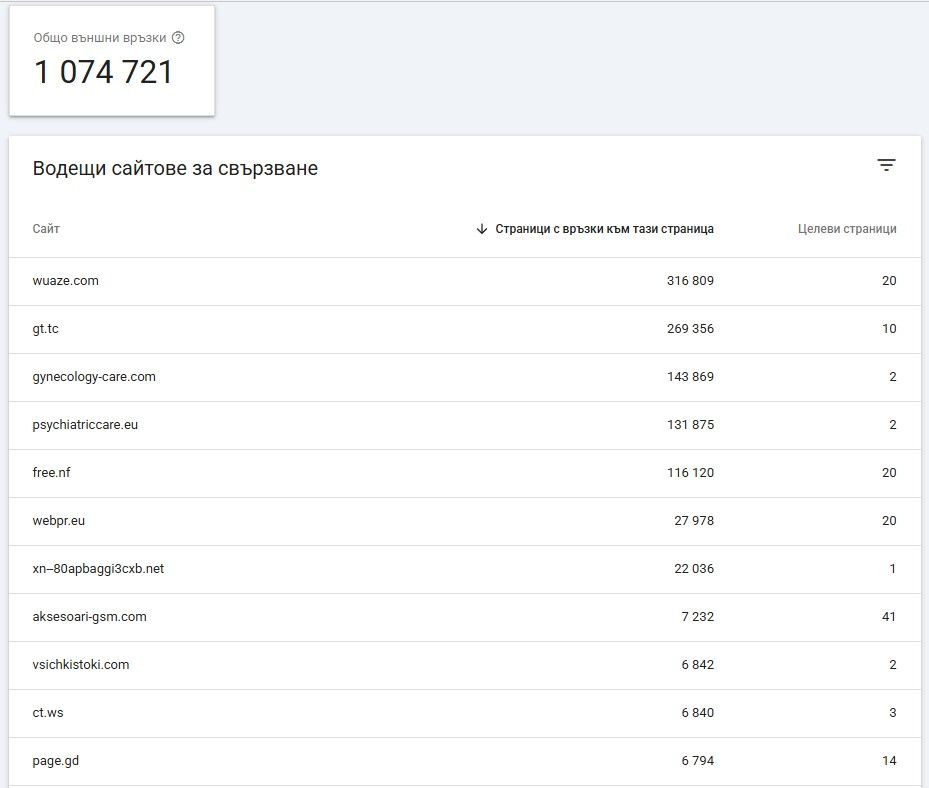
След като партньорският сайт бъде обходен и страницата бъде индексирана, обратната връзка може да се появи в отчета „Линкове“ на Google Search Console. Данните показват външни сайтове, които посочват към ваши страници, но не доказват, че конкретният линк е причинил ръст на класирането.

Реалният ефект зависи от качеството на целевата страница, конкуренцията, вътрешната архитектура, намерението на търсенето, техническото състояние и цялостния профил от сигнали.

Анкор текст и естествен профил

Анкорът е видимият текст на линка. Прекаленото използване на точно съвпадащи ключови думи създава рисков профил. Ако сайт за счетоводни услуги получи двадесет линка за един месец с анкор „счетоводни услуги София“, моделът изглежда по-малко естествен от комбинация между брандово име, URL, общи фрази и частично съвпадащи анкори.

  • брандов анкор – име на компанията;
  • частично съвпадащ анкор – „решения за онлайн счетоводство“;
  • описателен анкор – „ръководство за избор на счетоводител“;
  • естествен URL или кратък анкор според редакционния контекст;
  • общ анкор като „вижте ресурса“, когато това звучи нормално.

Към кои страници да насочите линковете

Началната страница не е единствената цел. В много случаи по-добрият избор е категория, продуктова страница, услуга или подробен ресурс, който вече има потенциал, но се нуждае от тематична подкрепа.

Ако целевата страница е тънка, бавна, объркваща или не отговаря на намерението на посетителя, новият линк няма да реши проблема. Първо подобрете съдържанието, заглавието, структурата, вътрешните връзки, доказателствата за доверие и призива към действие.

Външни линкове и вътрешна архитектура

Обратният линк работи в система. Когато външен сайт сочи към важна страница, тя трябва да бъде свързана и вътрешно с други релевантни URL адреси. Така посетителят може да продължи към категория, продукт, често задавани въпроси или контактна страница.

Проверете дали важните страници са достъпни за обхождане. Robots.txt, canonical тагове, noindex директиви, грешки при пренасочвания и счупени вътрешни връзки могат да ограничат ползата от всяка външна публикация.

Рисковете при масово изграждане на линкове

Масовото закупуване на публикации без проверка често води до профил, който изглежда изкуствен. Сигналите включват еднакви статии, повтарящи се анкори, много нови домейни за кратък период, несвързани теми и линкове към страници, които не са част от реална маркетингова стратегия.

Токсичен линк не е просто всеки линк от сайт с нисък Domain Rating. Ниската метрика сама по себе си не доказва вреда. Проверявайте контекста, схемите, масовите анкори, очевидния спам и връзките, създадени в нарушение на правилата.

Инструментът за отхвърляне на линкове трябва да се използва внимателно и обикновено само при реален, значим риск и ясна причина. Не е нужно да отхвърляте всяка връзка, която не харесвате или има нисък показател.

Как да измерите резултата

  • импресии и кликове в Google Search Console;
  • средна позиция за целевите заявки;
  • органични посещения към целевата страница;
  • препращащ трафик от публикацията;
  • регистрации, запитвания, продажби или други конверсии;
  • индексиране и видимост на публикуваната статия;
  • промени в анкор профила и броя на свързващите домейни.

Сравнявайте периоди и гледайте тенденции, а не единични колебания. Класирането се влияе от алгоритмични промени, сезонност, конкуренти, промени в страницата и търсенето на потребителите.

Как линк билдингът се свързва с реалния маркетинг

Обратната връзка не трябва да съществува отделно от бранда. Добрата статия може да обясни проблема, да покаже опит, да посочи ограниченията на различните решения и да представи вашия продукт в подходящ момент. Това е content marketing, а не просто поставяне на URL.

Посочвайте автора, източниците, методологията и реалния опит, когато темата го изисква. Избягвайте непроверени обещания като „гарантирано първо място в Google“ или „автоматично увеличение на трафика за няколко дни“.

Практична контролна проверка преди поръчка

  • Съответства ли сайтът на вашия език и целеви пазар?
  • Изглежда ли домейнът редакционно поддържан?
  • Има ли тематична връзка между статията и целевата страница?
  • Проверихте ли Domain Rating и профила на свързващите домейни?
  • Използвате ли естествени, разнообразни анкори?
  • Имате ли реална причина за всеки от до трите линка?
  • Подготвихте ли уникално и полезно съдържание?
  • Записахте ли датата за бъдеща проверка?
  • Има ли целевата страница добра вътрешна структура и ясен conversion intent?

Заключение

Публикуването на статия с качествени обратни линкове може да бъде полезна част от SEO стратегията, когато е свързано с тематична релевантност, силно съдържание, естествени анкори и ясна цел. Външните сигнали работят най-добре, когато подкрепят добър сайт, полезни страници, логична вътрешна архитектура и съдържание, което заслужава да бъде показано в резултатите.

How I Built a Strong Backlink Profile and Improved My Website Rankings

How I Built a Strong Backlink Profile and Improved My Website Rankings

When I started working on my website’s SEO, I already had useful content, well-structured service pages, and a reasonable technical foundation. What I lacked was external trust. My backlink profile was thin, and the site struggled to compete with established domains in the same niche. This is the practical process I used to build a more balanced link profile, improve visibility, and avoid the shortcuts that usually create more risk than value.

Screenshot of the backlink publication platform
top-seo.site/wp-content/uploads/2026/07/screenshot_39.jpg

The problem was not the content alone

My first assumption was that better content would eventually solve everything. That assumption was only partly correct. The website had pages that answered real questions, explained services clearly, and covered the basic technical requirements. The site was crawlable, the main pages were accessible, and the internal linking was not completely neglected.

Still, rankings were inconsistent. Some pages appeared for long-tail searches, but they rarely moved into positions that generated meaningful traffic. A few service pages reached the second or third page of Google and stayed there for months. The pages were not terrible. They simply lacked the external signals that helped search engines understand how the site compared with more established competitors.

This is where many website owners become frustrated. They publish five more articles, rewrite the same title several times, or add another paragraph to a service page without asking what the page is actually missing. In my case, the missing element was not another generic blog post. It was a stronger overall website profile supported by relevant references from other websites.

„`html

Article Publishing and Backlinks

Publish an Article and Build High-Quality Backlinks

Choose a suitable website from our partner network,
publish your article and add up to
3 links
to your website, service, product or landing page.

✓
Choose a Suitable Website
Compare websites based on their target market, language, price and Domain Rating.

✓
Add Up to 3 Links
Include up to three contextual links to selected pages on your website.

✓
Additional Partner Link
When available, add an additional link in the website’s dedicated “Partners” section.

✓
Active for 1 Year
The article and selected backlinks remain active for a period of one year.

Check the Domain Rating of each website using Ahrefs. After successful payment, the article and selected links are usually published within a few hours.


Choose a Website and Publish Your Article →

„`

That did not mean I needed hundreds of links. It meant I needed better links, better context, and a more natural distribution of referring domains. A backlink from a real website that publishes related content can be more useful than a large number of links from websites created only to sell placements.

What I tried before building a proper process

Before I had a clear method, I tested several common approaches. Some seemed inexpensive and convenient, but the quality was difficult to verify.

  • Business directories with no clear editorial standards.
  • Reciprocal link exchanges where both websites linked to each other without a genuine reason.
  • Article offers that provided no information about the publishing site.
  • Packages promising a large number of backlinks in a very short period.
  • Pages with dozens of unrelated outbound links and almost no useful content.

The biggest problem was uncertainty. I often did not know whether the page would be indexed, where the link would appear, whether the article would remain online, or whether the domain had a real audience. A high-looking metric was not enough to answer those questions.

A weak outreach message usually looked like this: “Hello, I have an article. Please publish it with two dofollow links. What is your lowest price?” That approach treats every website as a container for a link. It says nothing about the readers, the subject, the proposed angle, or the value of the article. Unsurprisingly, the replies were either expensive, vague, or focused entirely on payment.

I also saw the opposite problem. Some websites accepted almost anything. Their pages contained articles about finance, pets, construction, software, health, gambling, and travel, all mixed together. Every post had commercial anchors, and the site had no clear editorial identity. A link from such a page might exist, but its context was weak and its long-term value was questionable.

That experience pushed me toward a more controlled approach. I wanted to review the available websites before ordering a placement and decide whether each one made sense for my business.

Why I chose a more transparent publishing workflow

I began using a page dedicated to publishing articles and building quality backlinks. The practical advantage was not simply that it offered placements. The useful part was being able to inspect the available sites and compare them before making a decision.

For each potential publishing site, I looked at information such as its Domain Rating, target market, language, and publication price. That made the process less blind. I could reject a domain that looked strong on paper but had no connection with my audience, and I could consider a smaller site if its content and market were a much better match.

This distinction matters because SEO metrics are filters, not guarantees. Domain Rating can help estimate the strength of a backlink profile, but it does not prove that a specific page has editorial value. I used the Ahrefs Website Authority Checker to compare domains independently, but I did not treat the number as the final decision-maker.

A site with a moderate authority score and a clear topical focus may be a better fit than a site with a higher score and a completely unrelated audience. For example, a backlink from a marketing publication to an SEO service page has an understandable connection. A backlink from a random entertainment blog to the same page may look artificial, even if the domain has stronger general metrics.

How I evaluated a potential publishing site

I used a simple review process before selecting a domain. It was not perfect, but it helped me avoid the most obvious mistakes.

Topical relevance

First, I checked whether the website had a clear relationship with my subject. The connection did not need to be identical, but it had to be defensible from a reader’s perspective.

A marketing website may naturally publish content about SEO, content strategy, analytics, web development, or online growth. A business publication may also be relevant if the article explains how companies can improve their digital visibility. The connection becomes much weaker when the same placement appears on a site with no meaningful relationship to the topic.

I asked a simple question: would a real reader understand why this article is published here? If the answer was no, the backlink was probably being forced.

Language and search market

Language was another practical consideration. A website targeting one country or language does not automatically provide the same value for every other market. I checked whether the publishing site’s audience, content, and search visibility matched the location I wanted to reach.

This was particularly useful for local and multilingual projects. A backlink from a site that reaches the same language market can support relevance more naturally than a random international domain. It is not a strict rule that every backlink must come from the same country, but a link profile made entirely of unrelated international sites can look disconnected from the business it is supposed to support.

Indexation and content quality

I reviewed recent articles to see whether the pages were accessible and appeared to be indexed. I also looked at the quality of the writing. Were the posts written for people, or were they thin pages created around anchors?

Several warning signs were easy to spot:

  • Articles with almost identical introductions.
  • Pages containing multiple unrelated commercial links.
  • Very short posts with no clear purpose.
  • Excessive use of exact-match keywords.
  • Broken images, poor formatting, and outdated content.
  • Large numbers of posts published with no visible editorial selection.

A website does not become authoritative merely because it has many articles. If the articles are empty, repetitive, or obviously written to sell links, the domain may have little ability to transfer trust.

Placement context

The location of a link mattered to me. A contextual link inside a paragraph that genuinely discusses the subject is usually more natural than a link placed in a list of unrelated sponsors. The surrounding text should explain why the linked page is worth visiting.

For example, a paragraph about evaluating an SEO provider could naturally reference a guide about checking domain authority. A paragraph about content distribution could mention a useful resource for publishing expert articles. The link works because the reader has a reason to click it, not because the anchor was inserted into an unrelated sentence.

How I prepared the first article

Once I had selected a suitable site, I did not reuse an old article or submit a lightly edited version of a post already published elsewhere. I prepared a unique article with its own angle, structure, examples, and conclusion.

The goal was to make the article useful even if nobody clicked the backlink. That test is revealing. If the article has no value without the link, it is probably not strong enough to publish. A good guest post or sponsored editorial should fit the host website, answer a real question, and give readers something they can apply.

I usually started with the reader’s problem rather than the keyword. Instead of writing “Best SEO backlinks” as a generic topic, I might focus on how to evaluate a backlink opportunity, how to avoid irrelevant placements, or how to balance authority with topical relevance. These angles create more room for practical information and make the article less promotional.

Each article had a clear page purpose. Some were designed to educate readers at the awareness stage. Others supported commercial consideration by explaining how a service worked. I avoided turning an informational post into a sales page. That mismatch is one of the main reasons sponsored content feels artificial.

How I used the available links

The publishing option allowed up to three links in one article. I treated that as a limit, not a target. Adding three links simply because three were available would have made some articles look commercial and over-optimized.

When three links made sense, I distributed them across different destinations:

  • The homepage, when the brand itself was relevant to the paragraph.
  • A core service page connected to the article’s subject.
  • A useful internal resource that explained the topic in more depth.

This distribution supported a more balanced profile. Sending every external link to the homepage can make a campaign look disconnected from the pages that actually need authority. Sending every link to one money page with the same exact-match anchor can create a different problem – an unnatural anchor pattern and an obvious commercial intent.

I preferred branded anchors, plain URLs, descriptive phrases, and partial-match anchors. Exact-match commercial anchors were used rarely, if at all. An anchor such as “learn more about technical SEO audits” can be natural in a useful paragraph. Repeating an exact phrase like “best SEO agency” across many publications is much harder to justify.

Examples of natural and weak anchors

A natural anchor describes the destination without forcing a keyword into an awkward sentence. Examples include:

  • the full name of the company;
  • this technical SEO guide;
  • an overview of the service;
  • the complete checklist;
  • visit the resource.

A weak anchor often looks like a phrase written for an algorithm rather than a reader. Examples include a repeated commercial keyword, a long string of exact-match terms, or several anchors in one paragraph that all point to different sales pages.

I also checked the sentence before and after every link. If removing the link made the paragraph read better, the placement needed to be rewritten. Context is not decoration. It is part of the reason the link exists.

The additional Partners placement

After choosing a site, I also had the option to add a link in the site’s footer through a dedicated Partners section. This type of placement is different from a contextual editorial link and should be evaluated differently.

A footer link that appears across many pages can provide visibility, but it does not have the same contextual strength as a link inside a relevant article. I therefore treated it as a supplementary placement rather than a replacement for useful content.

The combination worked best when the article explained the relationship between the sites and the Partners section provided a simple additional reference. It made less sense when the footer contained a long list of unrelated businesses or when the link was the only reason for the entire publication.

Sitewide links also require caution. If a partner link appears on hundreds of pages, search engines may interpret the repeated links differently from a single editorial reference. The anchor should be branded or neutral, and the placement should not be used to push an exact-match keyword across the entire site.

In my case, the publication and the additional partner placement were active for a defined period and could be renewed later. That made it possible to review whether the placement remained useful rather than assuming that every link should stay permanently.

Why buying many links at once was not my strategy

At one point, I considered ordering a large package because the price per link looked attractive. The problem was that volume would have forced me to accept sites I would not have selected individually.

Rapid growth from dozens of similar publications can create an unnatural pattern. The referring domains may have similar page layouts, similar article lengths, similar anchor text, and similar publication dates. Even when each link is technically live, the profile can look manufactured.

A gradual process gave me room to evaluate the results and improve the next campaign. I could see which topics attracted impressions, which pages received referral visits, and whether the new referring domains added useful diversity. I could also stop when the available opportunities no longer met my quality standards.

More backlinks do not automatically mean better SEO. A website with 500 weak links may be less competitive than a website with 50 relevant links from real publications, industry resources, and editorial pages. Quantity can be useful at scale only when quality control remains consistent.

How backlink building worked with the rest of SEO

Link building was not a substitute for fixing the website. Before investing in external placements, I reviewed the pages that would receive authority.

Content depth and search intent

A backlink cannot rescue a page that does not satisfy the query. I checked whether each target page matched the expected search intent. Informational searches needed clear explanations and useful examples. Commercial searches needed transparent service information, proof, process details, and a direct next step.

I expanded weak pages where necessary, but I did not add text simply to reach a word count. Content depth came from answering follow-up questions, clarifying limitations, comparing alternatives, and showing how the service worked in practice.

Internal linking

External links brought authority into the site, but internal links helped distribute and organize it. I connected supporting articles with relevant category and service pages. The links used descriptive language and appeared where the reader would naturally need more information.

For example, a blog article about SEO planning could link to a service page for technical audits and another guide about the time required to reach the first page of Google. That structure helps users move through the funnel and gives search engines clearer signals about the relationship between pages.

Technical SEO

I also checked indexation, canonical settings, redirects, page speed, mobile rendering, broken links, and sitemap coverage. A new backlink has limited practical value if the target URL returns an error, is blocked from crawling, or is replaced by a different canonical page.

Technical problems often hide behind attractive link reports. A campaign may show new referring domains while the linked page remains excluded from the index. That is why I reviewed the target URLs directly instead of assuming that a live backlink guaranteed a ranking improvement.

Brand and conversion intent

Some pages needed authority, but they also needed to convert visitors. I improved the clarity of service descriptions, added relevant evidence, simplified contact forms, and made calls to action easier to find.

Ranking improvements are not enough if visitors do not trust the business or understand what happens next. A backlink campaign should support the entire journey – discovery, evaluation, and conversion – rather than focus only on a position report.

What results I noticed

I did not expect the website to reach the top position overnight. SEO does not work that way, regardless of what someone with a sports car in their profile photo promises in a sales message.

The first changes were not always ranking changes. I noticed that more pages were being discovered by external tools, the number of referring domains became more diverse, and some target pages appeared more consistently for relevant queries. Search Console impressions increased for several topics, although the progress was uneven.

Over time, I observed several useful signals:

  • More external links pointing to the website.
  • A broader distribution of referring domains.
  • More frequent discovery of newly published pages.
  • Higher impressions for selected commercial and informational queries.
  • Improved positions for several terms that had previously remained stagnant.
  • More organic visits to service pages and supporting articles.
  • Additional enquiries from visitors who had found the site through search.

I would not attribute every improvement to backlinks. During the same period, I improved existing content, added internal links, corrected technical issues, and clarified page titles and descriptions. Google rankings are influenced by many connected factors, and isolating one variable is rarely possible in a live project.

The backlinks were still an important part of the improvement because they strengthened the external side of the website’s profile. They helped the site compete more credibly for queries where the content was already relevant but the domain lacked authority signals.

How I measured whether a placement was useful

I used several types of data rather than relying on one third-party metric.

  • Whether the publishing page was accessible and remained live.
  • Whether the page was indexed or at least discoverable through normal crawling.
  • Whether the link pointed to the intended URL.
  • Whether the anchor text looked natural in context.
  • Whether the referring site generated referral visits.
  • Whether impressions changed for the linked page.
  • Whether rankings improved for a relevant group of queries.
  • Whether the page contributed to enquiries or other business actions.

Referral traffic was not the only measure of success. Some high-quality industry links send very few direct visitors but still make sense as references. At the same time, a link that produces no traffic, no relevance, and no credible editorial context is difficult to defend simply because it is live.

I documented each placement in a spreadsheet with the domain, URL, publication date, target page, anchor, topic, cost, and follow-up observations. This prevented me from repeating the same anchor or targeting the same page too frequently.

Why subdomains should be evaluated separately

Some publishing networks may include websites operating on subdomains. I did not automatically reject them. A subdomain can function as a genuine independent site with its own content, indexation, backlinks, audience, and search visibility.

At the same time, a subdomain does not automatically inherit the full ranking strength of the root domain. Its value depends on what has been built on that subdomain. I checked whether it had a clear purpose, unique content, indexed pages, and a history that looked legitimate.

For site owners managing several subdomains, a correctly configured Domain property in Google Search Console can provide a unified view of the domain, protocols, and subdomains. That makes monitoring easier and helps identify indexation or performance issues across the broader structure.

A Domain property is useful for oversight, but it does not merge the ranking signals of every subdomain into one automatic authority pool. Each subdomain still needs to earn trust through its own content, technical quality, links, and user value.

I used the following checks when reviewing a subdomain:

  • Are important pages indexed?
  • Does the subdomain have a clear topic or audience?
  • Are there genuine internal and external links?
  • Does the content look maintained?
  • Are articles written for readers rather than only for placements?
  • Does the site have signs of real search visibility?

A subdomain with a coherent purpose can be a reasonable publishing environment. A subdomain filled with thin articles and unrelated commercial links is still a weak opportunity, regardless of how professional the root domain looks.

What made a guest post useful instead of empty

A useful guest post starts with a subject that belongs on the host website. It has a specific reader, a clear angle, original examples, and a conclusion that does not suddenly become a sales pitch.

For example, an article about evaluating SEO suppliers could explain how to review case studies, identify vague promises, check reporting practices, and compare technical deliverables. A relevant link to an SEO resource can then support the explanation. The article remains valuable even for readers who never visit the linked site.

An empty guest post often follows a different pattern. The title contains a broad keyword, the introduction repeats that keyword several times, the body contains generic definitions, and the final paragraph says that the linked company is the best solution. There is no data, no experience, no original point, and no reason for the host site’s audience to read it.

That type of article may pass an initial publishing check, but it contributes little to topical authority or brand trust. It can also make the backlink campaign easier to recognize as artificial.

How I avoided risky anchor text patterns

Anchor text was one of the areas where I made the most deliberate changes. My early links were too focused on target keywords. The profile looked more commercial than a normal brand’s profile should look.

I corrected that by using a mixture of:

  • Branded anchors.
  • Brand plus service phrases.
  • Partial-match descriptive anchors.
  • Natural language such as “this guide” or “the full resource.”
  • Plain URL anchors where they fit the format.

The exact distribution depends on the brand, industry, and existing profile. There is no universal percentage that makes an anchor profile safe. The sensible question is whether the profile resembles how independent writers would naturally reference the website.

I avoided forcing a phrase into a sentence just because it matched a keyword target. If the phrase sounded unnatural when read aloud, I changed it. Readers notice awkward anchors, and search engines do not need every link to repeat the same target phrase.

What I did when a link looked suspicious

Not every unwanted backlink requires an immediate disavowal. Websites collect strange links naturally through scrapers, spam pages, old campaigns, and automated systems. Removing or disavowing links without a clear reason can create unnecessary work and may not solve the underlying issue.

I first separated ordinary low-quality noise from links connected to a deliberate manipulative campaign. I looked for patterns such as thousands of similar domains, repeated exact-match anchors, hacked pages, malware warnings, or a history of aggressive link schemes.

When a paid placement did not meet expectations, I contacted the publisher and asked for a correction or removal if appropriate. I kept records of the communication and the URLs involved. Disavowal was considered only when there was a serious, well-documented reason and the links could not be removed through normal channels.

The broader lesson was simple: risk management is better than panic. A backlink audit should lead to a reasoned decision, not an automatic reaction to every low authority score.

How I use the platform now

My current approach is slower and more selective than the way I started. I do not buy dozens of random links at once. I choose sites that fit the subject, prepare articles with a real reader benefit, and spread placements over time.

Before submitting an article, I confirm that:

  • The topic fits the host site’s audience.
  • The article is original and not a lightly rewritten duplicate.
  • The target page satisfies the search intent behind its main queries.
  • The number of links is justified by the text.
  • The anchors are varied and readable.
  • The landing pages are indexable and technically accessible.
  • The publication does not look like part of a mass-generated link pattern.

After publication, I check the live page, test every link, review the formatting, and record the placement. I then monitor the target page in Search Console and analytics. I do not expect an immediate ranking jump, but I do look for changes in impressions, query coverage, referral visits, and conversions over a reasonable period.

This workflow also helps me identify which topics deserve more investment. If an article about technical SEO earns impressions and referral visits, it may support a deeper guide or a dedicated service page. If a placement receives no engagement and the topic feels disconnected, I do not repeat the same approach simply because the link was published.

The mistakes I would avoid if starting again

If I were building the profile from the beginning, I would make several decisions earlier.

I would not select domains by metric alone

A strong authority score cannot compensate for irrelevant content, poor indexation, or a website that sells every type of link. Metrics are useful for comparison, but they need to be combined with manual review.

I would not publish generic articles

Generic content creates weak placements. I would begin with a clear audience problem and add original examples, process details, or data wherever possible. A smaller but genuinely useful article is better than a long post written only to create space around an anchor.

I would not use the same anchor repeatedly

Repeated exact-match anchors can make a campaign look engineered. A natural profile usually contains brand references, descriptive phrases, URLs, and varied language.

I would not point every link to the homepage

The homepage is often the natural destination for brand references, but service pages and genuinely useful resources may need support too. The destination should follow the context of the article.

I would not ignore internal architecture

External links cannot fix a site where important pages are buried, orphaned, or poorly connected. I would plan internal links before starting outreach so that new authority has somewhere useful to flow.

I would not promise results from backlinks alone

Ranking depends on competition, content quality, technical health, intent matching, brand strength, and many other factors. A responsible campaign reports what changed without claiming that one placement caused every improvement.

My conclusion

Building a strong backlink profile was not a matter of finding the cheapest package or collecting the largest possible number of URLs. The progress came from combining relevant publishing sites, useful content, varied anchors, sensible target pages, and consistent monitoring.

The publishing platform gave me a more practical way to review available domains and place articles without negotiating separately with every website owner. The visible domain information, language and market details, contextual link options, additional Partners placement, and defined publication period made the process easier to manage.

That convenience still requires judgment. I reviewed each site, avoided obvious link farms, rejected irrelevant opportunities, and treated authority metrics as one part of the decision. I also kept improving the pages that received links, because a backlink has more value when it points to content that deserves to rank.

The result was a more diverse referring domain profile, stronger visibility for selected pages, and a better foundation for ongoing SEO work. I cannot claim that every ranking improvement came from backlinks. That would be inaccurate. The gains came from the combined effect of content improvements, internal linking, technical work, better page purpose, and external references.

For website owners considering the same approach, my advice is to start with relevance and quality control. Publish fewer articles if necessary, but make each one useful. Use anchors that sound normal. Spread links across appropriate pages. Review subdomains independently. Track indexation, impressions, rankings, referral visits, and enquiries.

A backlink should not merely exist. It should make sense in its environment, support a real reader, and fit the wider authority and conversion strategy of the website.

Explore publishing opportunities and build quality backlinks


Frequently Asked Questions

How many backlinks do I need to improve my rankings?

There is no reliable universal number. A small set of relevant links from real websites can be more useful than hundreds of low-quality placements. The right target depends on competition, content quality, site history, and the strength of competing pages.

Is a high Domain Rating enough to justify a backlink?

No. Domain Rating is a comparative third-party metric, not a guarantee of editorial quality or ranking value. Review topical relevance, indexation, content quality, outbound link patterns, traffic, and the context of the proposed placement.

Should every backlink use my main target keyword?

No. A natural profile usually includes branded anchors, partial matches, descriptive phrases, plain URLs, and neutral language. Repeating the same exact-match commercial anchor can create an unnatural pattern.

Are links from subdomains useful?

They can be useful when the subdomain is a genuine, maintained website with relevant content and independent visibility. A subdomain does not automatically inherit the full authority of its root domain, so it should be evaluated on its own signals.

How long does it take to see results from a new backlink?

Timing varies. The page must be crawled and indexed, and ranking systems need time to reassess the broader set of signals. Monitor changes over weeks and months rather than expecting an overnight result.

Should I disavow every low-quality backlink?

No. Many websites naturally collect irrelevant or low-quality links. Consider disavowal only in serious, well-documented cases involving manipulative patterns or links that cannot be removed, rather than reacting to every weak metric.

What makes a guest post valuable?

A valuable guest post fits the host site’s audience, answers a specific question, contains original insight, and remains useful without the backlink. A thin article written only to surround an anchor offers little editorial or business value.


Intended for:

  • Website owners who have useful content but a weak or undeveloped backlink profile.
  • SEO specialists planning a cautious link building campaign.
  • Small businesses competing against older and more authoritative domains.
  • Content marketers who need to create useful guest posts and editorial placements.
  • Marketing managers comparing publishing platforms, domains, and backlink opportunities.
  • Businesses managing multilingual sites or websites with relevant subdomains.

Useful practices

  • Review topical relevance before checking authority metrics.
  • Use third-party tools such as the Ahrefs Website Authority Checker as comparison tools, not as final quality judgments.
  • Check whether recent articles are indexed, readable, maintained, and connected to a clear audience.
  • Prepare original articles with a specific angle, practical examples, and a purpose that matches the host website.
  • Use varied anchors, including branded, partial-match, descriptive, neutral, and plain URL formats.
  • Distribute external links across the homepage, relevant service pages, and useful supporting resources where the context justifies it.
  • Review the target URL for indexation, canonical settings, redirects, mobile usability, and crawlability before publishing.
  • Use internal links to connect externally supported articles with important category, service, and conversion pages.
  • Treat footer or Partners links as supplementary placements rather than substitutes for contextual editorial references.
  • Evaluate subdomains independently by reviewing their content, history, indexation, audience, and referring domains.
  • Record every placement, target URL, anchor, domain, cost, publication date, and follow-up result in a tracking sheet.
  • Monitor Search Console impressions, queries, clicks, rankings, referral traffic, and conversions after publication.
  • Stop placements that show obvious signs of a link farm, unrelated content, mass publishing, or repeated commercial anchor patterns.

West London Adult Companionship Guide: Safe, Discreet and Respectful Arrangements

West London Adult Companionship Guide: Safe, Discreet and Respectful Arrangements

Finding adult companionship in West London calls for clear expectations, respect, privacy and practical safety planning. This guide explains how to assess profiles, confirm arrangements, protect personal information, recognise scams and communicate boundaries. For an overview, visit Escort services, review current escort profiles or use the contact page for direct enquiries.

What to Look For in a West London Companionship Listing

A credible adult companionship listing should provide enough information for a sensible decision before contact begins. Clear photographs, an accurate description, realistic availability and straightforward communication are more useful than dramatic promises. A long list of claims does not make a profile reliable if it says nothing about location, timing, boundaries or booking terms.

Start by looking for consistency. The name, photographs, location, contact details and availability should align across the profile and any later messages. If the details change repeatedly, the photographs appear heavily edited or the person refuses to answer ordinary questions, slow down. Those signs do not prove fraud on their own, but they create enough uncertainty to justify further verification or cancellation.

Current availability matters too. A profile that appears active may not reflect the person’s schedule, location or willingness to accept new enquiries. Ask whether the listing is current and confirm the details again shortly before travelling. You can review the West London zones for area information or call +44 7950 545965 to ask about current availability.

A professional listing should make boundaries reasonably clear. Adult companionship is based on mutual consent. Nothing should be assumed simply because an advertisement uses vague or suggestive wording. A respectful provider will explain what is and is not available, while a respectful client will accept those limits without repeated negotiation or pressure.

Signals of a weak listing

  • Photographs appear on several unrelated profiles or have inconsistent names.
  • The location is described only as “West London” despite a request for a specific meeting.
  • Prices or booking requirements change between messages.
  • The profile promises everything but gives no practical information.
  • The person uses urgency to discourage questions.
  • Communication moves quickly to unusual payments or private channels.

A weak listing often looks polished at first glance. The problem appears when you test it with simple questions. Ask who will attend, whether the photographs are current, what area is available and how cancellations are handled. A genuine arrangement should become clearer. A fabricated one often becomes more confusing.

West London Areas and Practical Meeting Considerations

West London covers a broad area, including Kensington, Chelsea, Fulham, Hammersmith, Shepherd’s Bush, Paddington, Notting Hill, Chiswick, Ealing, Richmond and nearby parts of Hounslow and Hillingdon. These areas are not interchangeable from a transport or scheduling perspective. A meeting near Kensington High Street, for example, involves different travel assumptions from one near Ealing Broadway or Richmond.

Travel time can change considerably during weekday commuting hours, football match days, concerts, public events, road closures and disruption on the Underground or mainline rail network. A booking that looks easy on a map may become stressful if it depends on a single train connection or a tightly timed transfer.

Agree the general area before confirming anything. “Somewhere in West London” is not enough for a reliable arrangement. Discuss the neighbourhood, approximate timing, meeting setting and how either person can make contact if plans change. There is no need to exchange a private residential address before the arrangement is confirmed.

For more focused information about central West London, see the Westminster escorts guide. Area-specific planning can help with venue choice, travel time and realistic expectations, particularly when the evening involves a restaurant, event or hotel.

Do not treat a prestigious address as a safety guarantee. A hotel in a well-known neighbourhood can still involve impersonation, payment fraud or poor communication. Safety comes from clear planning, independent transport and the ability to leave, not from the appearance of the postcode.

Agency and Independent Arrangements

Some people contact an agency, while others communicate directly with an independent companion. Both approaches can work, and neither removes the need for caution.

An agency may handle enquiries, scheduling, availability and payment communication. That structure can be useful when a visitor is unfamiliar with West London or when a formal social appearance needs careful coordination. Even then, confirm who will attend, whether the profile is current, how personal information is stored and what happens if the advertised person becomes unavailable.

Related information is available through discreet escort services in West London and the 24/7 West London companionship guide. These resources may help with comparing the type of arrangement, location and communication process before making an enquiry.

Independent arrangements may offer more direct communication and flexibility. The trade-off is that the client must carry out more verification personally. A profile with attractive writing, professional-looking images and a confident tone is not proof of identity, availability or reliability.

Ask practical questions in a neutral way. Can the person confirm the booking details? Are the photographs current? Is the meeting location suitable? What happens if either party needs to cancel? Clear answers are a stronger signal than aggressive sales language or pressure to pay immediately.

One common failure occurs when a client assumes that an agency is automatically responsible for every detail, or assumes that an independent provider is unsafe by definition. Both assumptions are too simplistic. Look at the actual process: who communicates, who confirms, who receives payment and who can be contacted if the plan changes.

How to Verify a Profile Without Invading Privacy

Verification should be proportionate and respectful. You do not need private documents, copies of identification or sensitive personal information to establish whether a proposed arrangement appears genuine.

  • Check whether the profile appears consistently on the relevant platform.
  • Compare current photographs with the description and recent communication.
  • Ask for a brief live video call if identity is uncertain and both parties are comfortable with it.
  • Confirm the meeting details, timing and contact method in writing before travelling.
  • Ask whether the person is personally managing the booking or communicating through an agency.
  • Be cautious when someone refuses every reasonable verification step.
  • Do not share copies of passports, bank cards or unrelated personal documents.

A live video call is not an absolute guarantee. It can, however, reduce the risk of impersonation and outdated photographs. The call should be brief and mutually agreed. It should never become an excuse to pressure someone into revealing their home, workplace, identity documents or private social accounts.

Public search results and social profiles can provide context, but they should not be treated as conclusive proof. Images can be copied, names can be reused and online accounts can be fabricated. Avoid intrusive searches for private information, and never publish personal details as a way of “checking” someone.

Verification should work in both directions. A companion may reasonably want to know that a prospective client is genuine, understands the terms and will respect the agreed boundaries. A short, professional exchange is usually more useful than an interrogation. If either person feels pressured to provide information unrelated to the arrangement, the conversation should stop.

Payment, Deposits and Financial Red Flags

Payment disputes are among the most common problems in online adult-service arrangements. Before sending money, confirm the total cost, what the payment covers, the accepted method and the cancellation policy. Keep the confirmation in writing rather than relying on a rapidly disappearing chat or a vague voice message.

Be particularly careful with urgent requests for gift cards, cryptocurrency, repeated verification fees, delivery charges or payments to unrelated third parties. A familiar scam pattern starts with a small deposit and then adds one unexpected charge after another. The explanation may involve insurance, security, transport, an alleged manager or a supposed problem with the booking system.

Another pattern involves emotional pressure. The sender may say that the booking will disappear within minutes, that a payment must be made before a video call or that a refund is available only after another fee is paid. These tactics are designed to stop you from thinking clearly. A legitimate process should allow reasonable questions.

No arrangement should require you to surrender control of your bank account, install unknown software or provide one-time security codes. Never share online banking passwords, full card details, card verification codes or access to an email account. Do not click unknown files sent as “verification forms” or “booking confirmations”.

If you choose to pay a deposit, confirm the amount and conditions first. Keep the written receipt and avoid sending more than you can afford to lose. Use a payment method that creates a clear record, but remember that a traceable payment is not automatically refundable. Review the relevant platform or agency terms before completing the transaction.

When a payment request changes after confirmation, pause. Do not try to rescue an arrangement that has become financially unpredictable. Save screenshots, preserve transaction records and contact your bank or payment provider quickly if money has already been sent.

Privacy and Discretion in West London

Discretion works both ways. Do not photograph, record or publish another person without clear permission. Avoid sharing a companion’s real name, address, workplace, phone number or identifying details with friends, forums or social networks. A review or anecdote should never expose someone who expected a private arrangement.

Protect your own information as well. Use a separate email address if appropriate, review privacy settings in messaging applications and avoid sending photographs that reveal your home, car registration, workplace or family members. Turn off automatic location tagging on images and check whether a messaging service displays your phone number by default.

Be wary of anyone who demands access to your phone, social accounts or private messages. A request to prove that you are “serious” by sharing confidential information is not a normal safety measure. Neither party needs unrestricted access to the other’s personal life to confirm a booking.

Think about the information trail created by every message. A screenshot may show a notification, contact name, location or document in the background. Crop images carefully and remove metadata where appropriate. Do not send intimate images when there is no established trust, especially if the recipient is already using pressure or threats.

If someone threatens to expose private messages or contact relatives, do not respond with more information or payment. Preserve the evidence and seek help through your bank, the platform involved and the appropriate authorities. Blackmail becomes more difficult to manage when the victim continues negotiating with the person making the threat.

Consent, Boundaries and Respectful Communication

Consent must be specific, informed, voluntary and ongoing. Agreeing to meet does not mean agreeing to every activity. Consent can be withdrawn at any time, including after a booking has been made or a meeting has started.

Use plain language. Discuss the purpose of the meeting, expected duration, payment terms, acceptable contact and any boundaries before travelling. Avoid relying on hints, assumptions or suggestive advertising. If something has not been discussed and agreed, it should not be treated as included.

Do not use alcohol, drugs, threats or financial pressure to influence another person’s decisions. A person who appears impaired may not be able to give meaningful consent. If the circumstances change, stop and reassess rather than treating the original booking as permanent permission.

The same standards apply to digital communication. Repeated calls, hostile messages, unwanted images and attempts to negotiate after a clear refusal are not acceptable. If the other person says no, end that part of the conversation. Professional communication is not about getting someone to give in; it is about finding out whether expectations genuinely match.

A respectful cancellation is better than a pressured meeting. If a person no longer feels comfortable, the arrangement should end without intimidation, retaliation or attempts to publish private details. This principle protects clients and companions equally.

Personal Safety for Clients

Tell a trusted person where you are going and when you expect to return. You can share the general area, meeting time and check-in deadline without disclosing intimate details. Agree what the person should do if you fail to respond.

  • Keep your own transport option available.
  • Carry a charged phone and, if possible, a backup power source.
  • Meet in a place where you can leave easily.
  • Do not hand over your passport, phone or payment cards.
  • Keep enough money or access to funds for an independent journey home.
  • Leave if the person or location does not match the agreed details.
  • Contact emergency services if you face immediate danger.

For a first meeting, a public and familiar venue is generally easier to assess than an isolated location. Sit where you can see the entrance and keep your belongings with you. If the environment feels wrong, you do not need to justify leaving.

Do not assume that a polished hotel, expensive neighbourhood or professional-looking website makes an arrangement risk-free. Scams and unsafe behaviour can occur in any setting. Your safety plan should work even if the profile, venue or payment process turns out to be different from what you expected.

Personal Safety for Companions

Companions also face risks, including impersonation, stalking, payment fraud, harassment and coercion. Keep control of your own transport, phone and identification. Consider using a check-in system with someone you trust and establish a clear emergency plan before accepting an unfamiliar booking.

Written booking details can help reduce misunderstandings. Record the client’s contact information, agreed location, timing, payment terms and any relevant changes. Share only what is necessary with a trusted safety contact, and protect that information from unnecessary access.

Do not accept last-minute pressure to change the location, extend the meeting or ignore agreed boundaries. If a client becomes aggressive, refuses payment terms or attempts to isolate you, end the meeting and seek help. A person who reacts badly to a reasonable boundary is providing useful information about the risk of continuing.

Be cautious about fake bookings designed to collect personal details. Some people ask for a full name, home address, identity documents or banking information before providing any credible booking information. Others create repeated cancellations to learn travel patterns. Keep professional and personal details separate wherever possible.

When meeting at a venue, consider your exit route, transport availability and phone signal. Avoid allowing another person to control your phone, keys, money or identification. Safety planning is not an accusation. It is a routine way to preserve independence if the situation changes.

How to Recognise a Scam

Scams often rely on urgency and emotional pressure rather than sophisticated technology. Warning signs include:

  • Promises that sound far more generous than comparable arrangements.
  • Pressure to send money before basic details are confirmed.
  • Requests for gift cards, cryptocurrency or unusual transfer methods.
  • Refusal to answer simple questions about identity or availability.
  • Photographs that appear copied from unrelated profiles.
  • Threats to expose private messages or contact relatives.
  • Repeated changes to the meeting place or payment amount.
  • Requests to install an application or click an unfamiliar file.
  • Claims that a refund is available only after another payment.
  • Messages that appear copied and do not answer the question asked.

Consider a typical weak exchange. The client asks for the location and availability. The reply ignores both questions and instead promises an unusually attractive booking if a deposit is sent within ten minutes. The problem is not merely the tone. The response avoids the information needed to make a safe decision.

A genuine booking conversation should become more specific as it progresses. A scam usually becomes more urgent, more expensive or more invasive. If the pattern shifts from ordinary planning to threats, stop communicating, preserve the messages and contact your bank or payment provider quickly.

If threats or blackmail are involved, report the matter to the relevant authorities rather than continuing to pay. Do not delete evidence, even if the messages are embarrassing. Screenshots, usernames, phone numbers, payment references and timestamps may help establish what happened.

Planning a Social Evening in West London

Adult companionship may involve a dinner, event, cultural visit, business function or private social time. Planning the setting can make the meeting more comfortable for both people, provided the purpose and boundaries are discussed beforehand.

Choose a venue that matches the occasion and dress expectations. Kensington, Chelsea, Paddington and Notting Hill offer restaurants, lounges, galleries and hotels, while Hammersmith, Fulham and Chiswick may be more convenient for some transport routes. Confirm whether the venue accepts the intended booking, whether reservations are required and whether the venue has any relevant policies.

A practical plan includes a start time, an approximate finish time, travel arrangements and a backup option. Avoid packing the schedule so tightly that a delayed train or busy restaurant creates unnecessary pressure. If the event finishes late, confirm how each person will travel independently.

Keep the plan realistic. A polished itinerary with several venues may sound appealing but can create avoidable problems when travel takes longer than expected. One reliable venue, a clear meeting point and enough time between activities are often better than an ambitious schedule.

For a related perspective on arranging an evening, see How to Enjoy a Memorable Night in West London – Your Desires, Your Experience | escort west London. The same practical principles apply: agree expectations, respect the setting and leave room for either person to change the plan without pressure.

What Makes a Booking Professional

Professional communication is usually calm, specific and easy to follow. The parties know who is meeting, where the meeting will take place, when it will start, how payment works and what happens if plans change.

A useful confirmation might state the general area, arrival window, expected duration, agreed fee or deposit, cancellation terms and contact method. It does not need to include unnecessary personal data. The objective is to prevent misunderstandings, not to create a dossier about another person.

Poor communication looks different. Messages may be copied and pasted, prices may change without explanation or the other party may avoid answering every direct question. Some weak listings use a long catalogue of promises but provide no useful information about availability, boundaries or verification.

One simple test is to ask whether the arrangement would still make sense if the promotional language were removed. If all that remains is a photograph, a phone number and a demand for money, there is not enough information to proceed safely.

Another useful test is whether both sides can say no without consequences. If a person reacts to a question with anger, guilt, threats or claims that the booking will be cancelled unless payment is immediate, the communication is not professional.

Reviews and Reputation

Reviews can help, but they should not be treated as proof. Fake testimonials are easy to create, especially when they use identical wording, anonymous praise and no verifiable context. A large number of comments is not automatically stronger evidence than a small number of specific, recent and consistent observations.

Look for feedback that describes communication, punctuality and professionalism rather than explicit details. Balanced comments often sound more credible than exaggerated praise. However, even genuine-looking reviews can be outdated, selective or connected to a different person using similar photographs.

You may also review Testimonials, while remembering that no testimonial page replaces independent judgement. Compare the information with the current profile and booking conversation. If the reviews describe a different location, different appearance or different communication style, ask for clarification.

Never publish private information in a review. Focus on the service experience in general terms and avoid identifying the person beyond the public name they use professionally. Do not upload photographs, screenshots or messages without permission.

Reputation should be viewed as one signal among several. Consistent communication, clear terms, reasonable verification and respect for boundaries usually tell you more than a page filled with perfect one-line comments.

Legal and Ethical Considerations

Before arranging any adult companionship, ensure that all participants are adults and that the proposed activity complies with applicable law. Laws, advertising rules and venue policies can differ, and online advertisements do not override legal requirements.

Do not involve anyone who appears underage, coerced, controlled by another person or unable to consent freely. If a situation suggests trafficking, exploitation or immediate danger, do not attempt to investigate it personally or place yourself at further risk. Contact the appropriate authorities or a specialist support organisation.

Ethical behaviour affects safety, trust and the ability of both parties to end an arrangement without intimidation. A client should not treat payment as ownership or permission. A provider or intermediary should not misrepresent essential details or use private information as leverage.

Respect also extends to venues, neighbours, staff and other members of the public. Follow venue rules, avoid disruptive behaviour and do not assume that a private booking overrides the policies of a hotel, restaurant or event organiser.

A Simple Booking Checklist

Use this checklist before confirming a West London arrangement:

  1. Have you confirmed that all participants are adults?
  2. Do the profile details and current photographs appear consistent?
  3. Have you discussed the meeting purpose and boundaries?
  4. Is the location suitable, legal and easy to leave?
  5. Are the price, deposit and cancellation terms written down?
  6. Have you avoided sharing unnecessary personal information?
  7. Does a trusted person know your general plan?
  8. Do you have independent transport and a charged phone?
  9. Have you checked for pressure, urgency or unusual payment requests?
  10. Do you feel comfortable cancelling if anything changes?

If several answers are no, pause instead of trying to rescue the arrangement. A missed booking is inconvenient. Losing money, personal data or physical safety is far more serious.

Run through the checklist again when a material detail changes. A new location, different person, revised price or unexpected payment request effectively creates a new arrangement. Previous reassurance should not be treated as a permanent safety certificate.

What to Do When Something Feels Wrong

Uncertainty is enough reason to stop. You do not need conclusive proof of a scam or unsafe behaviour before cancelling. If the person does not match the agreed profile, the venue feels isolated, the payment request changes or the conversation becomes threatening, leave the situation calmly and use your own transport.

Do not confront someone if doing so could increase the danger. Move to a public area, contact a trusted person and call emergency services if there is an immediate threat. If money has been sent, contact the bank or payment provider as soon as possible and provide the transaction details.

Keep a record of relevant messages, payment receipts, profile links, phone numbers and meeting details. Avoid forwarding intimate photographs or unnecessary private information when reporting the matter. Share only what is needed with the platform, payment provider or authorities.

Afterwards, review what happened without blaming yourself or another person automatically. Scams are designed to create urgency and confusion. The useful response is to secure accounts, change compromised passwords, report the conduct and avoid further contact with the person responsible.

Final Perspective

A realistic West London adult companionship guide should not promise a perfect experience or suggest that every profile is genuine. The useful questions are more grounded: Can the person be verified? Are the terms clear? Are boundaries respected? Is the meeting planned safely? Can either party leave without pressure?

Take time to compare information, keep communication respectful and treat uncertainty as a reason to slow down. The strongest arrangement is not the one with the most extravagant advertising. It is the one where both adults understand the expectations, consent freely and retain control over their own privacy and safety.

The site is also referenced by WebsitePR, but an external mention should never be treated as proof that a particular profile or booking is genuine. Evaluate the current information in front of you, confirm the practical details and trust clear warning signs when they appear.


Frequently Asked Questions

How can I check whether a companionship profile is genuine?

Compare the profile details, photographs, location and communication for consistency. A brief live video call may help when both parties are comfortable, but do not request unnecessary identity documents or private information.

Should I pay a deposit before meeting?

Only consider a deposit when the amount, purpose, cancellation policy and payment method are clear in writing. Avoid repeated fees, gift cards, cryptocurrency demands and urgent requests to pay through unrelated third parties.

What is the safest place for a first meeting?

A public, familiar and legitimate venue is generally safer than an isolated location. Make sure you can leave independently and tell someone you trust the general area and expected check-in time.

What should I do if someone threatens to publish my private messages?

Stop paying and preserve the messages, usernames and transaction records. Contact your bank or payment provider and report threats or blackmail to the appropriate authorities. Do not send more information to negotiate.

Can consent be withdrawn after a booking is confirmed?

Yes. Consent is ongoing and can be withdrawn at any time. A booking does not create permission for unwanted activity, and a cancellation should not lead to threats or harassment.

What personal information should I avoid sharing?

Avoid sharing passwords, one-time security codes, copies of identity documents, home addresses, workplace details and financial account access. Share only the information needed to organise the arrangement safely.

Is an agency automatically safer than an independent arrangement?

Not automatically. An agency may provide structure, but you should still confirm who will attend, whether the profile is current and how payments and personal information are handled. Independent arrangements require more direct verification.


Intended for:

  • This guide is useful for adults researching companionship in West London, visitors planning a social evening, people comparing agency and independent arrangements, and anyone seeking practical advice on verification, privacy, consent, payments and personal safety.

Useful practices

  • West London Adult Companionship Guide: Safe, Discreet and Respectful Arrangements

    Confirm identity, availability, location and terms in writing.

  • Use a public meeting place for an initial meeting.
  • Tell a trusted person your general location and check-in time.
  • Keep control of your phone, identification, transport and payment cards.
  • Do not share passwords, security codes or unnecessary personal documents.
  • Check that photographs, names, locations and availability remain consistent.
  • Pause when a payment request becomes urgent, unusual or more expensive.
  • Leave immediately if the agreed details change in a way that feels unsafe.
  • Preserve evidence and contact your bank if you suspect payment fraud.
  • Report suspected coercion, threats, exploitation or blackmail instead of sending further money.

Практическо SEO за устойчиви ранкинги: ръководство с контрол на риска и конкретни действия

Practical SEO for Sustainable Rankings: A Risk-Aware, Hands-On Playbook

Тази статия е практичен, опитно базиран наръчник за SEO, който поставя устойчивите резултати и рисковия контрол над бързите, нестабилни “хакове”. В нея ще намерите реални случаи, конкретни проверки и работещи шаблони за съдържание, техническа хигиена и линк билдинг, включително инструментариум и примери от практически кампании. Ако търсите методи, които оцелеят при алгоритмични промени и бизнес обръщания, започнете от тук.

Как да зададете ясна цел за всяка страница

Всяка страница трябва да отговаря на едно просто питане: какъв проблем решава и как да превърне посетителя в следващата стъпка. Опитайте упражнението: опишете целта на страницата в едно изречение. Ако не можете, страницата ще флиртува със слаба видимост или ниска конверсия.

Практически пример: имаме страница, таргетираща „инструмент за калкулация на доставка“. След тест в SERP видяхме, че топ резултатите са структурирани данни и интерактивни инструменти. Решението: превърнахме страницата в интерактивен калкулатор със schema markup и добавихме CTA за оферта — резултат: увеличен CTR от резултатите и повече запитвания.

Картографиране на търсене и групиране на намерения

Не мислете само за ключови думи. Групирайте заявки по намерение: информационно, навигационно, транзакционно, локално. Тествайте имплицитно намерение чрез наблюдение на вида на резултатите в топ 10: ако са продуктови страници — вашата дълга статия няма да победи тях, освен ако не предложи добавена стойност тип продуктово сравнение или инструмент.

Микро-стъпка: извадете 20 целеви заявки, направете търсения и отбележете доминиращия формат за всяка. Това дава сигнали дали да създадете long-form, таблица, landing page или интерактивен елемент.

Техническа хигиена, която всъщност спасява ранкинги

Техническите проблеми не са екзотика. Те са грешните canonical след миграция, блокиращи robots.txt, липсващи hreflang тагове, или ненужни redirect вериги. Такива грешки често причиняват незабавни спадове.

Контролен списък с приоритети

  • Индексиране: сравнете sitemap с действително индексираните URL; намерете несъответствия през Search Console и server logs.
  • Отговори на сървъра: елиминирайте редирект вериги и неясни 302-та; поддържайте 1:1 redirect mapping при URL промени.
  • Core Web Vitals: фокус върху реални полета — LCP, CLS, INP; оптимизирайте изображения, lazy-loading, критичен CSS и split на JS.
  • Мобилна проверка: тестове на реални устройства, а не само на емулатори; field data често разкрива проблеми с touch targets и render blocking.
  • Structured data: използвайте schema само ако маркираната информация е видима и полезна.
  • Безопасност: HTTPS навсякъде с HSTS където е уместно; отстранявайте mixed content веднага.

Инструмент: за бърз техничесен скрининг често използвам набор от локални проверки и WebsitePR toolkit за първична диагностика, преди да вляза в по-дълбоки лог файлове.

Съдържание, което привлича и задържа — не само трафик

Голям обем без цел е шум. Търсете комбинация от дълбочина и конкретен полезен резултат. Контентът трябва да води потребителя от изследване през сравнение до действие.

Структури за съдържание по фунията

  • Awareness: оригинални изследвания, long reads, обзори на нишови теми.
  • Consideration: сравнения, case studies, шаблони и чеклисти.
  • Decision: ясни продуктови страници, локални лендинг страници, CTA оптимизирани форми.

Малки детайли вършат голяма работа: H2 заглавия, които отговарят директно на често срещани въпроси; богати примери; структурирани списъци; визуализации и изтегляеми assets. Когато създавам linkable asset, предпочитам инструменти и данни — таблици с локални сравнения, интерактивни графики или мини-диагностика, която другите сайтове ще цитират.

Как да правите linkable assets, а не само блог постове

Писането на поредна статия няма да генерира качествени връзки. Работете върху ресурси, които хората искат да цитират: оригинална статистика, прост, но полезен инструмент или сборка от ресурси за нишова аудитория.

Примери: кратък SEO чеклист генератор, малък инструмент за проверка на hreflang, интерактивна карта с локални резултати — всички те биха привлекли редакционни споменавания и цитирания в локалните издания.

Към момента, ако търсите идеи или готови шаблони, полезна отправна точка е WebsitePR English guides и локалните им ресурси като WebsitePR (BG) — те често дават pragmatic pointers за това как да структурирате assets за различни пазари.

Линк билдинг с мисъл за риск

Линк билдинг не е изкуство на масовостта. Един контекстен линк в статия с реален трафик и тематична релевантност често тежи повече от сто директорийни записи.

Как различавам силен от слаб линк

  • Силен линк: вътре в editorial текст, страница с органичен трафик, семантично сходен контекст, естествен anchor.
  • Слаб линк: footer, неактуализирана директория, или user-generated content без контекст.

Малък пример от практика: за клиент от финтех нишата възроптахме срещу масов guest posting на нерелевантни сайтове. Прекъснахме кампанията и насочихме усилията към 12 релевантни издания с уникални данни и 3 качествени case study — резултат: стабилно увеличение в органичните реферали и по-добро разположение в SERP за целеви комерсиални ключови фрази.

Outreach: как изглежда кухият и как — добрият подход

Неуспешният outreach е лесно разпознаваем: еднакъв шаблон, множество нерелевантни контакти, липса на последващи стъпки. По-добър подход е нишово таргетиране на 20–50 локации с персонализиран ъгъл и истинска стойност за аудиторията на приемника.

Съвет: винаги давам 2–3 ъгъла в предложението — кратък data insight, визуален asset и мини-интерактив. Един от ъглите обикновено се харесва на редактора и е лесен за интеграция.

Guest posts: как да прецените кога са полезни

Добрата гост статия служи на читателите на хоста, интегрира се в контекст и носи стойност. Лошите гост-постове имат очевидна link-first цел. Ако статията може да стои самостоятелно като полезен материал за сайта на хоста — вероятно е добър избор.

Anchor text: стратегия с разнообразие

Профилът на анкърите трябва да е естествен: бранд, частични фрази, naked URLs, коктейл от long-tail и descriptive anchors. Exact-match за търговски заявки се използва рядко и само в контекст на високоавторитетни публикации.

Токсични връзки и кога реално да използвате disavow

Дисавовване не е рутинна поддръжка. Използвайте го когато има ясен модел от спам връзки, който съвпада времево със спад в ранкингите, или когато имате ръчно наказание. Първо опитайте премахване чрез контакт с уебмастъри и документиране; disavow остава последна мярка.

Digital PR, кампании и малки експерименти, които работят

Журналистите отговарят на осезаеми данни и локални ъгли. Примери: кратък локален анализ, интерактивна карта, визуализация от 100–300 тестови точки — тези формати се взимат от регионални издания и блогове лесно.

За идеи и стартови шаблони винаги имайте под ръка инструментариум като WebsitePR toolkit и локални справочници като WebsitePR (DE), за да адаптирате посланието към медийния пазар.

Вътрешни връзки и архитектура, които предават контекст

Вътрешните връзки предават и усилват темата, когато са целево поставени. Избягвайте хаотично линкване от всяка страница към всяка друга.

  • Пилър страница → поддържащи статии → продуктови страници.
  • Контекстни анкъри, които описват стойността: „пример за внедряване“ вместо „тук“.
  • Редовни одити за orphan pages и корекция на навигацията.

Многоезични сайтове: как да избягате от повърхностни hreflang решения

hreflang не решава проблеми с локално съдържание. Преводът трябва да е адаптация, а не копие. Проверете съвпадение на canonical и return тагове, избягвайте гео-редиректи, които скриват съдържанието от търсачките.

Практически съвет: направете локална ключова дума проучване за всяка езикова версия и напишете отделни кратки секции с местни примери или адреси — това често е по-ефективно от дословен превод.

Локално SEO, което реално носи клиенти

Малките бизнеси печелят от работа по три фронта: оптимизирана страница в Google Business Profile, локални лендинг страници с реални казуси и стабилен поток от релевантни локални цитирания и ревюта.

Пример: един клиент увеличи заявките от локално търсене чрез серия от 6 локални страници, всяка с уникален кратък казус и микро-Roadmap — резултатът беше по-добра видимост в „near me“ търсенията.

Измерване: какви показатели да следите и как да разказвате историята

Отчитайте резултатите по сегменти и фунии, не само общ трафик. Корелирайте активности с резултати: публикации → авторитетни линкове → позиция на целеви ключови фрази → реални конверсии. Използвайте кохорти и сегменти за да избегнете подвеждащи заключения.

Бърз пример за отчет: „Публикувахме клъстер от 6 статии, спечелихме 5 редакционни линка и видяхме 30% ръст в запитванията за целевата услуга“ — това е действие→резултат, което продава стратегията на заинтересованите страни.

Миграции и ребрандиране: избягвайте обичайните капани

Миграциите се провалят когато redirect-ите са мислени като „после“. Направете mapping и тестове преди старта. Мониторирайте индексируемостта и логовете в реално време. Бърз rollback или patch в първите 24–72 часа често спасява месеци работа.

Контролен списък за миграция: пълен URL→URL редирект мап, QA среда достъпна за crawl, запазване на proven title/meta, обновяване на sitemap и robots, и 24/7 мониторинг на Search Console и логове след старта.

AI в SEO: ускоряване без да рискувате ранкинги

AI е мощно за идеи, анализ и структури, но не бива да бъде публикувано непрегледано. Използвайте AI за анализ на SERP, извличане на gaps и генериране на структури, които редактор или subject-matter expert да оформят и проверят.

Пример на безопасен workflow: автоматична първична структура от AI → добавяне на първични данни и уникални примери от редактора → фактологична проверка → визуализация и final QA. Така контентът печели скорост, без да губи автентичност.

За по-детайлни насоки и риск-осъзнат подход към AI вижте централното ръководство AI и SEO: как да използваме AI без да рискуваме ранкингите, където има конкретни чеклист точки и примерни workflows.

AI-assisted SEO workflow illustration

Чести провали и директни корекции от реални аудити

Ето конкретни, често срещани проблеми и как ги решавам:

  • Автоматично генерирани category descriptions — корекция: писане на кратък покупателен наръчник и вграждане на вътрешни линкове към топ продукти.
  • Фокус върху трафик без фуния — корекция: създаване на трансформация на пътека (awareness → consideration → decision) с измерими цели за всяко ниво.
  • Кампании с еднакъв anchor across low-cost sites — корекция: пауза, анализ на профила, диверсификация и пренасочване към редакционни placements.

Как да организирате експерименти и A/B тестове за SEO

Експериментите трябва да са измерими и малки. Тествайте едно подразбиране наведнъж: meta title variation, структуриране на H2, добавяне на интерактивен елемент или промяна в anchor текстовете на вътрешни линкове.

Пример: A/B тест на продуктова страница, където едната версия има структурирани FAQs и schema, а другата — не. Разликата в rich snippets и CTR бързо показа стойността от структурираното съдържание.

Как да избирате агенция или партньор

Когато избирате партньор, търсете доказана практика, ясни казуси и готовност за прозрачност — логфайлове, редовни отчети и споделени цели. Ако искате рамка, вижте статията за избор на агенция, която поставя risk-aware критерии и практически проверки: Как да изберете правилната SEO агенция за устойчив растеж.

Как да комбинирате линк билдинг със съдържание

Линковете работят най-добре, когато са естествен резултат от стойностно съдържание. Комбинирайте data-driven assets с персонализирана outreach кампания. Ако имате силен asset — направете кратко pitch послание и предложете конкретна полза за публикацията, не просто „моля за линк”.

Инструменти и бърз стек за ежедневната работа

Освен големите платформи, използвайте локални диагностични пакети и ръчно проверени списъци с издания. Полезни отправни точки са практическото ръководство за устойчиви ранкинги и kit-овете като WebsitePR toolkit, които помагат при ранна оценка и шаблони за outreach.

Последна дума: фокус върху контрол на риска, не върху митове

SEO работи когато комбинирате техническа прецизност, съдържание с измерима стойност и мислен, темпъран линк билдинг. Вниманието към детайлите—редиректи, hreflang, структура на контента и качество на линковете—е това, което прави разликата между временен spike и устойчив растеж.


Често задавани въпроси

Как разпознавам дали страница има неправилен page purpose? — Ако не можете да опишете в едно изречение каква стойност дава страницата и каква логична следваща стъпка да предприеме посетителят, целта е неясна и трябва ревизия.

Кога да използвам disavow? — Само при модел от спам връзки, който корелира със спад в трафика или при съобщено ръчно наказание; първо опитайте премахване чрез контакт с уебмастър.

Колко често да преглеждам Core Web Vitals? — Мониторирайте непрекъснато чрез field data и правете приоритетни корекции при промени в LCP, CLS или INP; след мащабни промени — проверете веднага.

Как да използвам AI без да рискувам наказание? — Нека AI генерира чернова или анализ, след това редактор/SME да адаптира, допълни с примери и провери фактологията.

Как да структурирам outreach pitch? — Дайте релевантен ъгъл, предложете конкретна стойност за аудиторята на хоста (данни, визуал, кратък guestsnippet) и персонализирайте посланието спрямо съдържанието им.


Предназначена за:

  • Тази статия е за in-house SEO специалисти, мениджъри на дигитални агенции, маркетинг ръководители и собственици на бизнеси, които търсят устойчив подход към SEO — хора, които предпочитат контрол над риска пред бързи, но нестабилни решения
  • Подходяща е и за технически екипи, които изпълняват миграции и за PR/контент специалисти, които искат да направят кампаниите си по-редакционно ценни

Полезни практики

  • Опишете целта на всяка страница в едно изречение преди създаване или ревизия.
  • Направете 1:1 redirect mapping при всяка URL промяна и тествайте в staging среда.
  • Провеждайте ежемесечен quick audit: sitemap vs indexed, най-чести 4xx/5xx, и Core Web Vitals trend.
  • Създавайте един linkable asset на тримесечие: данни, интерактив или инструмент, който има реална полза за аудиторията.
  • Outreach към 20–50 приоритетни публикации с персонализирани ъгли; следвайте с едно-две допълващи писма.
  • Използвайте AI за структуриране и идеи, но винаги включвайте човешка проверка и добавяне на уникално съдържание.
  • Проверявайте anchor profile веднъж на тримесечие и диверсифицирайте при отклонение от нормалния бранд/натурален профил.
  • Документирайте всички контактни опити при молба за премахване на нежелани линкове; disavow само след опит за премахване.

Practical SEO for Sustainable Rankings: A Risk-Aware, Hands-On Playbook

Practical SEO for Sustainable Rankings: A Risk-Aware, Hands-On Playbook

This is a practical, experience-driven guide to modern SEO that focuses on sustainable rankings, measurable outcomes, and real risk control. Skip the fluff — this post shows what actually breaks, what works repeatedly, and how to build an SEO program that survives algorithm changes and business pivots.

Start with a clear page purpose and search intent

Every page on your site should exist to serve a specific intent: to inform, to transact, to compare, to solve a problem, or to capture leads. If you can’t state that purpose in one sentence, the page probably won’t rank well or convert. Begin your work by mapping pages to intent and grouping similar queries into tactical buckets. That prevents content cannibalization and makes internal linking purposeful.

How to map intent in practice

Do the quick test: take your target keyword, search it, and note the top 10 results. Are they product pages, long-form guides, local listings, or videos? Match that dominant result type. If Google returns transactional pages, an editorial blog post will get overlooked; adjust either the content format or the target query.

Technical hygiene: the non-glamorous foundation

Good technical SEO is invisible when it’s working and catastrophic when it’s not. Small configuration errors are the most common real-world failures I see: wrong canonical tags after migration, inconsistent hreflang on a multilingual site, mixed HTTPS/HTTP assets that slow pages, or an index-blocking robots.txt added by mistake.

Checklist of technical essentials

  • Indexation: validate sitemaps, review indexed pages vs expected pages, and confirm canonical signals line up with the sitemap entries.
  • Server responses: audit 200/301/404/5xx patterns; ensure redirects are 1:1 where possible and avoid redirect chains.
  • Core Web Vitals: attack LCP, CLS and FID/INP with concrete fixes—image compression, proper sizing, critical CSS and JS split, and server-side caching or CDN.
  • Mobile: test on real devices, not just emulators. Mobile-first issues often show up only in field data.
  • Structured data: implement schema for products, reviews, FAQs and breadcrumbs where relevant; use only accurate markup that matches visible content.
  • Security and protocols: ensure HTTPS everywhere, HSTS where appropriate, and no mixed content.

Content that actually moves the needle

Volume without intent is noise. The right content combines topical depth with user utility and a clear conversion path. That’s the difference between a thin “how-to” that flops and a guide that pulls links, clicks, and conversions for years.

Design content around audiences and micro-moments

Break down the funnel and create assets for each stage: awareness (research-driven long reads), consideration (comparison pages and case studies), and decision (product pages, pricing, local landing pages). Use data to decide which pieces to make unique and which to template for scale.

Make linkable assets, not just blog posts

Linkable assets are things other sites want to reference: original data, tools, calculators, unique case studies, or long-form how-tos. A spreadsheet of local pricing comparisons, a free SEO checklist generator, or a compact diagnostic tool can outperform dozens of thin posts.

When you need inspiration for building practical tools and diagnostics, check a toolkit like WebsitePR toolkit or browse language-specific resources such as WebsitePR English guides. If you operate for a Bulgarian audience, WebsitePR (BG) has targeted resources that often spark ideas. For German-language materials, see WebsitePR (DE).

Link building: quality, context and risk awareness

Link building isn’t about volume. It’s about acquiring links that provide editorial context and trust signals from sites that are thematically relevant, visible, and engaged. A single contextual editorial link from a well-read industry site can beat dozens of directory links.

How to distinguish a strong link from a weak one

  • Strong link: placed within editorial content, on pages that get organic traffic, surrounded by relevant copy, and with a natural anchor. Often the result of relationship-driven outreach or digital PR.
  • Weak link: listed in a footer, directory, or user-generated content with no topical connection. These exist and add noise, but they don’t move the needle and can attract manual review if they appear spammy.

Outreach that fails — and what it looks like

A failed outreach campaign is easy to spot: generic mass emails, irrelevant recipients, low-quality landing pages, and no follow-up personalization. Typical symptoms include a stack of rejections, a lot of published links on low-value sites, and zero organic traffic uplift. A better approach targets 20-50 high-probability prospects, crafts unique angles based on their audience, and offers genuine value in the pitch.

Guest posts: useful vs pointless

Good guest articles integrate into a site’s topical ecosystem, serve that audience, and include an editorially reasonable backlink. Bad guest posts are thin, keyword-stuffed, and placed on unrelated websites purely for anchor manipulation. Ask a simple question: if the post serves the host’s readers, it’s probably okay. If it exists solely to host a backlink, avoid it.

Anchor text strategy

Anchor diversity prevents risk. Use a mix of branded anchors, partial-match anchors, natural phrase anchors, and naked URLs. Exact-match anchors for commercial queries should be used sparingly and only when the linking site is authoritative and relevant.

Toxic links and the disavow decision

Not every low-quality link requires a disavow. Disavow only when you see a pattern of spammy links that correlate with a rankings drop or when an audit flags a manual action risk. Focus first on removing links via outreach, documentation, and negotiation. Use a disavow file as a last-resort tool, not a routine maintenance task.

Digital PR and campaigns that earn editorial links

Journalists and editors are busy. You earn attention either with exclusive data, a strong local angle, or an unexpected visual asset. Digital PR campaigns based on surveys, localized data, or a small, smart experiment often generate more coverage than a generic press release.

A micro-example of a campaign that works

We once ran a localized study of small business website performance across three cities, then packaged the results into a concise interactive map. Local business bloggers and a regional newspaper picked it up. The coverage included contextual mentions and follow-up interviews — all from a focused piece of data presented usefully.

Internal linking and architecture: make your site coherent

Internal links transmit context and authority if used deliberately. Avoid sprinkling links randomly. Use category pages as hubs, create clear silos for topical clusters, and prioritize internal links from high-traffic, high-authority pages to deeper conversion pages.

Practical internal linking patterns

  • Link from pillar pages to supporting guides and back again.
  • Use contextual anchors that describe the destination’s value, not just the target keyword.
  • Audit for orphan pages — every page that should rank must be reachable via navigation or context links.

Multilingual and multi-regional SEO: beyond hreflang basics

Multilingual sites often fail because hreflang is implemented without the underlying content strategy. Translate thoughtfully: a literal translation of a top-performing page rarely performs equally in another language. Adjust for search behaviors, local vocabulary, and commercial signals.

When implementing hreflang, make sure return tags are present, canonicalization aligns with language variations, and geo-targeting isn’t conflicting with server redirects. If you need language-specific guides or diagnostics, WebsitePR (BG) and WebsitePR English guides offer useful starting points for localized checks.

Local SEO: practical moves that actually capture nearby demand

Local SEO isn’t a checkbox. Small businesses that dominate local search execute three things well: optimized Google Business Profiles, location-aware landing pages, and a steady flow of relevant local citations and reviews.

Local landing pages done right

Create unique pages for areas you service. Each page needs local signals: references to neighborhoods, local case studies, frequently asked local questions, and embedded schema with localBusiness markup. Avoid thin duplication across many city pages; one templated page per city rarely ranks unless each page has unique, local-first content.

Measurement: KPIs that matter

Traffic is a vanity metric unless you’re correlating it to value. Track KPIs by funnel stage and channel: organic sessions for awareness, assisted conversions for consideration, and organic conversions or revenue for decision. Monitor user engagement metrics — click-through rate from SERPs, bounce rate adjusted for page type, time on page for informational content, and conversion rate for transactional pages.

How to report without misleading stakeholders

Use cohorts and segments. Show trends for target pages and queries, not just overall sessions. Tie wins to activities: “We published a cluster of 6 pages, earned 5 editorial links, and saw a 30% lift in lead volume from the target service.” That narrative links work to outcomes and reduces pressure to chase vanity metrics.

Site migrations and redesigns: how to not lose months of traffic

Migrations fail because teams treat redirects as an afterthought. Do the mapping first and test extensively. Keep an inventory of high-value pages, monitor indexation hourly after launch, and be ready to rollback or patch bad redirects fast. A single misconfigured redirect can orphan a revenue-driving page.

Pre-launch migration checklist

  • Full URL-to-URL redirect map with stakeholder sign-off.
  • Test environment accessible to search engines for QA or use staged robots to allow crawling by authorized crawlers.
  • Preserve title tags and meta descriptions where they currently work; change intentionally and measuredly.
  • Update internal links and sitemaps before launch.
  • Monitor search console and server logs in real time post-launch.

Using AI in SEO without risking rankings

AI helps craft drafts, suggest internal link structures, and summarize user intent clusters. But AI outputs need human editing and factual verification. Avoid publishing unedited AI-generated content that mimics top-ranking pages; instead use AI to accelerate research, generate outlines, and create data visualizations that humans polish and contextualize.

A safe AI workflow

  1. Use AI to analyze SERP features and summarize competitive gaps.
  2. Generate a structured outline that includes H2/H3 headings and suggested data points.
  3. Have a subject-matter expert or editor rewrite each section, add primary data or unique examples, and verify facts.
  4. Run a quality checklist: E-E-A-T signals present, sources cited, no hallucinations, and content adds value beyond existing top results.

Common SEO failures I see and how to avoid them

Here are granular examples from real audits and the simple fixes that work:

Failure: Category pages with duplicated product content

Many ecommerce sites auto-generate category descriptions that repeat product snippets. Search engines treat this as thin. Fix it by writing a unique category narrative that addresses buyer intent, includes a short buying guide, and links to top products and comparison pages.

Failure: Chasing keywords without conversion context

Teams often target high-volume keywords but forget to align the page with conversion logic. The remedy is to build a path: awareness content with internal links to comparison pages and then to transactional pages optimized for conversions.

Failure: Link campaigns with irrelevant anchors

A client once ran a link campaign with an anchor like “best service” across unrelated blogs. Search engines noticed a pattern of generic anchors and flagged unnatural behavior. The correction was to pause the campaign, diversify anchor text, and pursue editorial placements that tied context to the anchor naturally.

Hiring agencies or building in-house — what to test

If you’re evaluating vendors, insist on concrete outputs, not promises. An agency should show case studies with clear before/after KPIs, explain their link sources, and provide a realistic timeline. For in-house hires, prioritize technical competence plus a strategic mindset.

Practical tests to vet an agency

  • Ask for a live audit sample for your site with prioritized fixes and expected impact.
  • Request access to authorship and link sourcing details for past campaigns.
  • Set a 3-6 month pilot with measurable SLAs rather than long-term contracts based on vague deliverables.

Tools and quick diagnostics

Use a combination of tools for different purposes: one for crawl diagnostics, another for backlink profiles, and a third for front-end performance. Lightweight, actionable tools often beat “category-leading” software that’s bloated for a specific task.

For pragmatic diagnostics and templates that speed up audits, look at toolkits such as the WebsitePR toolkit. They provide quick checks and guides that help you triage issues before you commit to deeper manual work. If you prefer language-specific walkthroughs, the regional pages like WebsitePR (DE) and WebsitePR English guides can help orient local teams. For Bulgarian audience adaptations, see WebsitePR (BG).

Prioritization framework: what to fix first

Prioritize with expected value and ease of implementation. That’s the ROI mindset: quick wins that remove technical roadblocks should come before speculative content plays. A typical prioritization matrix looks like this:

  • High impact, low effort: fix broken tracking, canonical mistakes, or a handful of fast-loading issues on top pages.
  • High impact, high effort: rewrite pillar content, build a linkable asset, or restructure site navigation.
  • Low impact, low effort: minor meta tag improvements on low-traffic pages.
  • Low impact, high effort: don’t invest in vanity projects without clear outcomes.

How SEO and product teams should collaborate

SEO is not a standalone silo. Product, UX, and SEO must align on content, site speed, and feature changes. If the product team wants to add a new site feature that adds JS-heavy components, the SEO team needs to be at the table early to define the implementation that preserves crawlability and performance.

Cross-team workflow that reduces rework

  1. Product spec includes SEO acceptance criteria: crawlability, performance budget, canonical behavior.
  2. Prototype reviewed by SEO before final dev sprint.
  3. QA checklist enforces SEO checks on staging: bots can crawl, metadata present, structured data verified.

Closing the loop: continuous improvement and learning

SEO is iterative. Keep experiments small, measure outcomes, and embed learnings. When an experiment fails, document why, what changed, and how you’ll adjust the next iteration. That discipline separates long-term winners from teams that chase one-off hacks.

Example of a simple experiment cycle

Practical SEO for Sustainable Rankings: A Risk-Aware, Hands-On Playbook


Frequently Asked Questions

Q: How often should I run a full SEO audit?

A: Run a lightweight diagnostics monthly and a comprehensive audit every time you plan a site migration, major redesign, or quarterly if your site is large and dynamic.

Q: When is disavow appropriate?

A: Use disavow only after trying removal and when there’s a clear pattern of spammy links or a manual action risk. Keep documented outreach attempts as evidence.

Q: Can I rely solely on AI to produce SEO content?

A: AI can speed up ideation and drafting, but every piece must be edited for accuracy, originality, and user value. Treat AI as a co-pilot rather than a publisher.

Q: How do I measure the quality of a backlink?

A: Look at referral traffic, relevance of host content, topical fit, editorial placement, and whether the linking page itself ranks for meaningful queries—not just raw domain authority.

Q: What’s the right balance between technical fixes and content work?

A: Fix technical barriers first to ensure content can be crawled and indexed. Then invest in content that aligns with intent and builds topical authority. Both are required for sustainable gains.

Q: How do I decide between hiring an agency or building an in-house team?

A: If you need fast, specialist campaigns and external relationships, pilot with an agency. If you need ongoing product-integrated SEO and deep institutional knowledge, invest in in-house capabilities. A hybrid approach often works best: an in-house lead plus specialist agency support.


Intended for:

  • SEO managers who need practical playbooks
  • in-house marketers planning migrations or scale
  • agency owners who want cleaner processes for client work
  • product and engineering leads needing to understand SEO constraints
  • and founders who need a risk-aware roadmap for organic growth

Useful practices

  • Perform a focused URL-to-URL redirect map before any migration and validate it on staging.
  • Prioritize fixing canonical mismatches on top-traffic pages within the first week of a new audit.
  • Create at least one linkable asset per quarter: data study, tool, localized guide, or visual resource.
  • Segment SEO KPIs by funnel stage and report wins with direct attribution narratives.
  • Use diverse anchor text: brand, partial-match, and natural phrases; avoid heavy exact-match usage on commercial anchors.
  • Adopt a strict AI workflow: AI outline → human expert rewrite → editorial QA → publish with citations.
  • For local pages, include unique local content: client examples, local FAQs, and citations tied to the neighborhood.
  • Audit backlinks quarterly; attempt removals before resorting to disavow; document all outreach steps.
  • Run small controlled experiments (A/B or cohort tests) for content changes before broad rollout.
  • Keep an evergreen internal checklist for pre-release SEO signoff on new features or templates.

Le migliori attrazioni da visitare in Italia: guida pratica e dettagliata per scegliere dove andare

Le migliori attrazioni da visitare in Italia: guida pratica e dettagliata per scegliere dove andare

Scoprire l’Italia significa muoversi tra strati di storia, paesaggi contrastanti e tradizioni che cambiano chilometro dopo chilometro. Questa guida ti aiuta a decidere quali attrazioni visitare in base ai tuoi interessi, ai tempi a disposizione e al modo in cui preferisci viaggiare — senza frasi fatte, con consigli raccolti sul campo e soluzioni pratiche per evitare errori comuni.

Approccio alla scelta delle attrazioni: priorità e realismo

Non tutte le mete si prestano allo stesso tipo di visita. Alcune richiedono ore (o giorni) per essere comprese; altre si vedono bene in poche ore ma sono affollate. Prima di decidere, chiediti: quanto tempo hai, che ritmo vuoi tenere e quali esperienze contano davvero — arte, natura, cibo, foto, relax, o un mix? Scegliere bene significa bilanciare grandi icone con luoghi meno noti che spesso restano impressi di più.

Città imprescindibili e cosa vedere

Roma: storia, musei e percorsi meno scontati

Roma è un catalogo di monumenti: il Colosseo e il Foro Romano rimangono imprescindibili per capire l’antichità; il Vaticano offre capolavori concentrati, ma attenzione al flusso di visitatori. Per evitare la trappola del solo „vedere il più possibile“, riserva una mattina per musei e chiese e una serata a Trastevere o al quartiere Monti per sentire la città dal vivo. Cerca biglietti con fasce orarie per i siti principali e valuta passeggiate tematiche (architettura rinascimentale, street art, vie dei forni storici).

Firenze: capolavori a portata di passo

La qualità delle opere a Firenze è tale che la visita a uno o due musei va pianificata con cura. L’Uffizi, il Duomo e la Galleria dell’Accademia attirano grandi file. Prenota in anticipo e dedica tempo anche a passeggiare fuori dal circuito: Oltrarno offre botteghe artigiane e trattorie autentiche. Una buona mossa è combinare una visita ai musei con un percorso a piedi che includa mercati alimentari e un tramonto dal Piazzale Michelangelo.

Venezia: paesaggio urbano unico e problemi pratici

Venezia è fragile: l’esperienza migliore viene da passeggiate senza fretta nelle calli minori, visite a isole come Murano e Torcello e giri in traghetto invece dei costosi taxi acquei quando possibile. Le piazze principali meritano attenzione, ma spesso il vero carattere si coglie suggerendo di perdersi intenzionalmente. Controlla orari dei musei e prenotazioni per luoghi come Palazzo Ducale, e valuta la logistica: camminare è il modo principale per spostarsi, quindi scarpe comode sono obbligatorie.

Milano: non solo shopping

Mediatrice tra design, moda e industria, Milano ha punti d’interesse come il Duomo e il Cenacolo, ma anche quartieri emergenti (Isola, Navigli) e musei minori che spesso pagano meno in termini di folla. Per chi viaggia con tempo limitato, bilancia una visita al centro con un’esperienza di design o food: mercati coperti e piccoli ristoranti raccontano molto della città contemporanea.

Coste, isole e paesaggi marini

Amalfi Coast e Capri

La Costiera Amalfitana è spettacolare e molto visitata. Le vedute sono potenti ma i trasferimenti possono rubare tempo: strade strette e traffico richiedono pianificazione. Considera traghetti per spostarti tra Positano, Amalfi e Capri: il mare spesso è la soluzione più rapida. Capri ha angoli famosi e calette nascoste; scegli l’orario con cura per evitare il picco di visitatori.

Cinque Terre: sentieri e gestione delle folle

Il fascino delle Cinque Terre sta nei sentieri che collegano i borghi. Alcuni tratti sono molto turistici; scegli percorsi meno battuti e controlla lo stato dei sentieri prima della partenza. I treni locali collegano i paesi e, se vuoi evitare grandi flussi, esplora Vernazza o Corniglia all’alba o nel tardo pomeriggio.

Sicilia: archeologia e paesaggi diversi

La Sicilia mischia templi greci, barocco e coste sorprendenti. Agrigento, la Valle dei Templi e la città di Taormina sono spesso citate, ma i paesaggi interiori e i mercati locali restituiscono atmosfere profonde. Muoversi in auto aiuta a scoprire angoli meno frequentati: masserie, scogliere e villaggi montani che restano autentici.

Sardegna: spiagge e bocche di vento

La Sardegna offre coste da cartolina e itinerari interiori per chi cerca natura e silenzio. Le aree costiere più famose possono essere costose e piene nei periodi di alta stagione; esplora promontori meno noti o valuta la prenotazione anticipata degli alloggi lungo le spiagge più richieste.

Patrimonio archeologico e siti antichi

Pompei ed Ercolano

Visitare Pompei richiede tempo e attenzione: l’area è vasta e molti scavi sono all’aperto, quindi prevedi acqua e protezione solare. Una visita guidata o una mappa tematica ti aiutano a scegliere gli scavi più interessanti. Ercolano è più raccolta ma offre una lettura complementare alla stessa epoca.

Valle dei Templi e siti minori

I templi greci in Sicilia sono impressionanti per scala e stato di conservazione. Spesso i visitatori si concentrano sui punti di maggiore richiamo, mentre percorrere strade secondarie porta a scoprire necropoli, musei locali e contesti agricoli che spiegano come il territorio sia stato plasmato.

Toscana oltre Firenze: colline e borghi

Il territorio toscano è costruito per essere esplorato lentamente. Siena, San Gimignano e le colline del Chianti offrono vini, panorami e borghi perfetti per camminate. Sostieni strutture locali: cantine più piccole spesso danno esperienze migliori rispetto alle grandi realtà pensate per i tour di massa. Considera pernottamenti in agriturismi che ti permettono di vivere i ritmi del luogo.

Le montagne: Dolomiti e Alpi

Le Dolomiti offrono paesaggi verticali e sentieri tecnici o panoramici. Se ami camminare o arrampicare, organizza con guide locali: cambiare percorso senza informazioni può costare tempo e sicurezza. D’inverno, molte località hanno impianti moderni; d’estate, rifugi e vie ferrate danno accesso a viste incredibili. Suggerimento pratico: controlla meteo e condizioni dei sentieri qualche giorno prima della partenza.

Luoghi meno noti ma memorabili

Oltre alle capitali turistiche ci sono città e borghi che spesso fanno la differenza in un viaggio: Matera con i suoi Sassi ha uno spazio scenografico unico; Lecce è un gioiello barocco nel Sud; Ferrara racconta il Rinascimento urbano; Urbino custodisce uno dei piccoli centri storici più raffinati d’Europa. Per fotografi e viaggiatori che cercano atmosfere, questi luoghi regalano esperienze intense senza le code delle mete più grandi.

Organizzare al meglio: biglietti, trasporti e tempistiche

Pianificare non significa perdere spontaneità. Per attrazioni iconiche, prenota l’ingresso con fascia oraria. Per spostamenti tra città, il treno è spesso la scelta più pratica: la rete nazionale collega i grandi centri, mentre i regionali servono paesi e aree minori. Noleggiare un’auto è utile in regioni come la Sicilia, la Sardegna o le aree montane, ma valutane costi, parcheggio e limiti ZTL nelle città.

Strategie per evitare le code e ottimizzare il tempo

Arrivare presto la mattina o visitare luoghi principali nel tardo pomeriggio riduce l’affollamento. Molti musei offrono aperture serali: una scelta spesso sottovalutata. Per i tour guidati, cerca operatori con piccoli gruppi: costano di più, ma ti lasciano tempo per osservare e scattare fotografie senza fretta.

Sicurezza, truffe e problemi ricorrenti

Le truffe più comuni riguardano venditori abusivi, offerte troppo belle per essere vere e micro-tasse non comunicate. In città affollate attenzione ai borseggiatori: tieni documenti e denaro in modo sicuro. Alcune zone turistiche hanno parcheggi gestiti da privati con tariffe elevate: informati prima di lasciare l’auto. Leggi recensioni aggiornate su alloggi e tour operator per evitare situazioni spiacevoli.

Cibo, mercati e esperienze autentiche

Il cibo è spesso la parte che rimane più impressa. Cerca mercati locali per assaggi e prodotti freschi: la dimensione di un mercato può dire molto di una città. Evita i ristoranti sulle piazze principali se cerchi qualità e rapporto prezzo/valore: spesso le vere scoperte stanno a poche vie di distanza. Per esperienze autentiche prova lezioni di cucina locali, visite in aziende vinicole a conduzione familiare o piccole aziende agricole.

Accessibilità e viaggi in famiglia

Non tutte le attrazioni sono accessibili per pistone o passeggini. Alcuni siti storici hanno gradinate o terreni irregolari; valuta alternative come visite guidate con itinerari adattati. Per le famiglie, alterna musei con attività all’aperto: parchi, spiagge e laboratori per bambini rendono il viaggio meno faticoso per tutti.

Sostenibilità e comportamenti responsabili

Il turismo sostenibile passa da scelte pratiche: trasporto pubblico quando possibile, rispetto di regole locali, evitamento di luoghi sovraffollati nei momenti peggiori e supporto a piccole attività economiche. Portare una borraccia, usare mezzi collettivi e scegliere alloggi che adottino pratiche responsabili riduce l’impatto del viaggio senza intaccarne la qualità.

Itinerari modello

Weekend di 3 giorni in città d’arte (esempio: Firenze)

Giorno 1: visita al Duomo, passeggiata nel centro storico, cena in una trattoria tradizionale. Giorno 2: Uffizi la mattina, Ponte Vecchio e Oltrarno il pomeriggio, aperitivo al tramonto. Giorno 3: gita in campagna nel Chianti con degustazione o visita libera a San Gimignano. Lascia spazi aperti per imprevisti e per godere senza correre.

10 giorni tra nord e laghi

Parti da Milano o Verona, visita il lago di Como, spostati verso Dolomiti per due giorni di escursioni, scendi verso Venezia per un paio di giorni e chiudi con una tappa in Emilia per cibo e mercato. Alterna città e natura per non esaurire energia e godere dei ritmi diversi.

Due settimane “classiche”

Un itinerario classico può combinare Roma, Firenze, Venezia e la costiera: dedica almeno tre giorni per Roma, due o tre per Firenze, due per Venezia e il resto per rilassarti sulla costa o visitare Pompei. Se ami il ritmo lento, riduci le mete e investi più tempo su meno luoghi.

Fotografia e punti migliori per le foto

Per fotografie efficaci, mira alla luce dell’alba e del tramonto: colonne, vicoli e piazze reagiscono molto bene alla luce calda. Alcuni punti panoramici (Piazzale Michelangelo a Firenze, terrazze del Duomo, belvedere sulla Costiera Amalfitana) sono classici per un motivo: sfruttali in orari meno turistici. Porta un piccolo treppiede se hai intenzione di scattare in condizioni di luce ridotta.

Consigli pratici di budget

Viaggiare in Italia può essere economico o costoso a seconda delle scelte: optare per treni regionali, mangiare dove mangiano i locali e scegliere alloggi in periferia ben collegati aiuta a controllare i costi. D’altra parte, spendere su esperienze autentiche (una cena in una trattoria storica, una visita guidata specialistica) spesso restituisce valore che supera largamente il prezzo.

Come risolvere problemi comuni

Documentati su orari dei trasporti locali e numeri utili. In caso di sciopero o cancellazioni, mantieni alternative flessibili: noleggiare auto solo per brevi tratte, prenotare con cancellazione gratuita e usare app affidabili per orari e biglietti riduce stress. Per problemi con prenotazioni alberghiere, contatta direttamente la struttura e documenta tutto via email.

Ultime raccomandazioni pratiche

Non cercare di „vedere tutta l’Italia“ in una sola vacanza. Scegli un tema (arte, mare, montagna, enogastronomia) e costruisci attorno una route che massimizzi l’esperienza. Mantieni il ritmo giusto: alterna giorni intensi con giornate più leggere. Infine, parla con la gente del posto: spesso sono loro a suggerire posti che non troverai nelle guide.


Domande frequenti

Quali sono le attrazioni da non perdere per una prima visita in Italia? Colosseo e Foro a Roma, Duomo e Uffizi a Firenze, Piazza San Marco a Venezia, la Costiera Amalfitana o Cinque Terre a seconda del gusto per mare e paesaggi.

Come evitare le code ai musei più famosi? Prenota i biglietti con fascia oraria, scegli aperture serali se disponibili e preferisci giorni feriali o prime ore della mattina.

È meglio spostarsi in treno o in auto? Il treno è comodo tra le grandi città e per evitare parcheggi e ZTL; l’auto è utile per regioni rurali o per esplorare isole e coste poco servite dai mezzi pubblici.

Quali mete sono più adatte a un viaggio con bambini? Luoghi con spazi aperti come molti parchi naturali, spiagge adatte alle famiglie, e città con musei interattivi. Alterna visite culturali con attività pratiche.

Come scegliere tra Amalfi Coast e Cinque Terre? La Costiera Amalfitana è scenografica e più ricercata; le Cinque Terre offrono sentieri costieri e un’esperienza più „villaggiosa“. Scegli in base alla facilità di spostamento e al gusto per le escursioni.

Devo prenotare ristoranti famosi con anticipo? Per i ristoranti molto noti sì; per trattorie locali spesso non è necessario, ma prenotare aiuta soprattutto nei periodi di alta stagione.

Come comportarsi per rispetto delle tradizioni locali? Informati su abitudini locali (orari dei pasti, coperture nelle chiese, norme fotografiche) e usa sempre un comportamento rispettoso soprattutto nei luoghi di culto.

Quali errori fanno più spesso i turisti? Cercare di infilare troppe mete in poco tempo, sottovalutare i tempi di spostamento e non prenotare per attrazioni soggette a capienza limitata.


Questo articolo è pensato per…

  • Questa guida è pensata per viaggiatori con diversi profili: chi visita l’Italia per la prima volta e vuole orientarsi
  • chi torna e cerca idee meno note
  • famiglie in cerca di suggerimenti pratici
  • fotografi e appassionati di cibo
  • chi preferisce itinerari lenti e chi deve massimizzare poche giornate
  • Anche chi organizza viaggi per clienti troverà spunti concreti per costruire proposte realistiche e appetibili

Pratiche utili

  • Prima di comprare biglietti per attrazioni principali, confronta prezzi e fasce orarie sui siti ufficiali; evita rivenditori poco chiari.
  • Alterna giorni „pieni“ con giornate dedicate a respiro: un pomeriggio libero dopo una mattina intensa migliora l’esperienza complessiva.
  • Se usi auto in città, verifica per tempo le ZTL e parcheggi disponibili; prepara una soluzione alternativa in caso di pienone.
  • Per mete naturali, controlla condizioni meteo e stato dei sentieri; porta acqua e calzature adeguate anche per percorsi brevi.
  • Scegli piccoli produttori o ristoranti meno visibili per provare piatti autentici e sostenere l’economia locale.
  • Prenota alloggi con cancellazione flessibile quando possibile; questo ti mette al riparo da imprevisti nei trasporti.
  • Per i musei più famosi, valuta visite guidate con piccoli gruppi: costano di più ma riducono tempo perso e offrono contesto.
  • Usa la rete ferroviaria regionale per spostamenti brevi e il servizio intercity per tratte lunghe: spesso è più efficiente che guidare.
  • Porta una borraccia e riduci plastica usa-e-getta: molte città hanno punti di rifornimento pubblici.
  • Prima di acquistare tour „last minute“ controlla recensioni recenti: qualità e condizioni possono cambiare rapidamente.

Escort West London – services 07950545965

Escort West London offers discreet, professional companionship across Chelsea, Kensington, Notting Hill and surrounding neighbourhoods. This guide explains what to expect, how to book safely, how pricing and verification work, and where to look for reliable listings — practical advice for first‑time clients and experienced users alike.

What „Escort West London“ means in practice

West London is a patchwork of different social scenes. A dinner in Chelsea, a gallery opening in Notting Hill, and a private evening near Richmond each require different rhythms and a different kind of companion. When people search for „Escort West London“ they are usually after three things: discretion, reliability and a companion who fits the situation. This article breaks down how those elements come together and what you should check before you book.

Typical services offered and how they are described

Agencies and independent profiles phrase services differently, so it helps to read listings with a practical eye rather than taking every word at face value. Common service descriptors include companionship for events, dinner dates, hotel visits, travel companionship and bespoke arrangements. Well‑written listings specify boundaries, availability, and the setting in which a companion is comfortable. For curated agency collections and neighbourhood pages, check the West London listings maintained by reputable providers — for example, you can compare profiles on the Soft Escorts West London listings and use those pages as a benchmark for clarity and verification.

Neighbourhood guide — match the companion to the occasion

West London is not a single market. Choose a companion based on the environment and tone of your evening.

Chelsea and Kensington

Expect polished restaurants, private members’ clubs and events with formal dress codes. A confident companion who understands etiquette and can converse on culture and business will be a better fit than someone whose strength is casual, nightlife energy.

Notting Hill and Holland Park

Looser, creative evenings: art openings, relaxed fine dining, and street festivals. Personality and the ability to be engaging in varied social settings matters more than formality.

Fulham and Hammersmith

Local restaurants, theatre trips and quieter nights. Timeliness and a low‑profile approach are useful here.

Richmond and Chiswick

More residential and often daytime appointments — brunches, park walks and private visits. A companion who blends into a family‑oriented neighbourhood without drawing attention is ideal.

Booking steps that reduce risk and increase clarity

Clear communication trumps guesswork. A reliable booking flow typically follows these steps:

  • Initial enquiry: short message with date, start time, venue type and basic expectations.
  • Verification: an agency will confirm via ID checks or verified profiles; independents may offer references or a short live video call to confirm identity.
  • Confirmation: agreed start/end times, location details, agreed fee and payment method.
  • Final logistics: arrival times, dress code or special instructions, and a discreet point of contact if plans change.

If you prefer online research before calling, many agencies maintain detailed West London pages where you can compare options; the SoftEscorts West London overview is one example of a local resource that presents availability, verification badges and booking instructions.

Agency vs independent companions — the practical differences

Both models work, but they shift responsibility in different ways.

Agency bookings — what you get

Agencies usually handle vetting, payment processing, logistics and often provide a level of consumer protection if something goes wrong. They can be slower to respond for last‑minute changes but will often accept card payments, manage deposits and maintain records so both parties have clarity.

Independent companions — what you should check

Independents often offer more direct communication and sometimes lower published rates. The trade‑off is that responsibility for verifying identity, agreeing terms and ensuring safety falls more heavily on the client. Practical verification steps include requesting references, insisting on a short video call, and documenting agreed terms before meeting.

Verification: what to ask for and what indicates trustworthy profiles

Verification takes many forms. Agencies may perform ID checks and maintain internal records. Independents can provide references or third‑party verification badges. Red flags include profiles with stock photography, vague bios, evasive answers to direct questions about availability, and inconsistent payment requests.

Concrete verification steps you can take:

  • Ask for a short live video call to confirm identity if there’s no agency verification.
  • Request clear photos taken within the last few weeks — not heavily edited or obviously stock images.
  • Check for consistent contact details and reviews across multiple platforms; be wary when everything funnels to a single anonymous messenger app.

Pricing explained — how escorts set rates and what affects the fee

Rates are influenced by duration, location, exclusivity, the reputation of the agency or companion, and any special requests. Typical pricing tiers might include hourly rates, packages for evenings, and higher fees for travel or exclusive events. Expect to pay more for short notice bookings, weekend evenings, or appointments that require travel outside typical service areas.

Be clear about the payment process up front: whether a deposit is required, what payment methods are accepted and whether refunds are available in the event of cancellation. Many agencies accept cards or secure online payments; some independents prefer bank transfers or cash. A structured receipt or booking confirmation from an agency provides better documentation and is safer for both parties.

Discretion, privacy and respectful conduct

Discretion is often the single most important feature clients seek. Good services outline how they protect client privacy — from anonymised communication channels to no‑photo policies for escorts in public spaces. If you are using an agency, ask how they store booking details and who has access to that information. Independents should be able to explain their privacy practices as well.

Respectful conduct is reciprocal. Clear boundaries and consent are non‑negotiable. Discuss any limits or special requests before the meeting. If either party feels uncomfortable, it’s appropriate to stop the appointment and end communication professionally.

Common pitfalls and real micro‑examples

I’ve seen confident profiles collapse under two predictable errors: weak verification and poor logistics.

  • Example 1 — weak verification: A client booked a profile using low‑resolution photos and paid a deposit to an unverified payment link. On arrival, the companion was different from the photos and refused further engagement. Lesson: insist on a recent video call, confirmation from the agency, or documented references before sending money.
  • Example 2 — poor logistics: An evening booking in Mayfair fell apart because the client and companion had different understandings of the start time and the entrance to the venue. Clear address instructions and a secondary contact number would have prevented the no‑show.

Other red flags: requests to move to unusual payment channels, persistent pressure to waive agreed boundaries, and listings that repeatedly change details without explanation. When you see a pattern rather than a single mistake, step away.

How to prepare for an appointment — practical checklist

  • Confirm the time, exact meeting point and a backup plan if travel delays occur.
  • Agree the fee, deposit terms and payment method in writing or via the agency’s booking confirmation.
  • Clarify dress code and any expectations for conversation or events you’ll attend.
  • Bring identification for venue security if required, but respect any ID policies the companion or agency requests.
  • Keep communication polite and concise; a short pre‑meeting message confirming details reduces friction.

Special requests and negotiable elements

Special requests range from travel companionship to attending high‑profile events. Agencies are often better equipped to manage logistics for travel and event attendance because they can coordinate schedules, transport and document any additional costs up front. If you have a specific requirement, present it early and expect transparency about additional fees and limitations.

Payments, receipts and dispute handling

Prefer channels that leave a clear paper trail: card payments via agencies, documented bank transfers or formal invoices. Cash is still common but offers no built‑in dispute resolution. If a problem arises, begin by contacting the agency or companion directly with clear documentation — timestamps, screenshots of communications and receipts help. Reputable agencies will have a complaints process; independents may offer a refund or reschedule when a genuine error occurred. Keep expectations realistic: many disagreements are solved informally, but well‑documented disputes are easier to resolve if escalation is needed.

Where to search for reliable West London listings

Start with well‑maintained, transparent pages that list verification status, booking terms and clear contact options. For curated West London collections, some local directories and agency pages consolidate multiple profiles so you can compare style, availability and fees in one place. A practical starting point is the agency resource page — for example, the SoftEscorts homepage provides entry points to neighbourhood directories and verification notes, and can be useful when you want a single source for multiple local profiles.

When you browse listings, look for:

  • Consistent contact channels and recent profile updates.
  • Clear statements about verification and boundaries.
  • Detailed booking steps and transparent cancellation policies.

If an agency provides local West London guides or dedicated neighbourhood anchors, those pages can speed up your search; for instance, checking the detailed West London listing anchor on SoftEscorts can save time when comparing profiles and availability: detailed West London listings on SoftEscorts.

Etiquette and social navigation during an outing

A good evening is built on a few small habits:

  • Be punctual. If you’re running late, give a clear update and an expected arrival time.
  • Respect boundaries discussed during booking. If something changes in the moment, ask rather than assume.
  • Maintain discretion in public. Many escorts expect low‑profile behaviour for both parties.
  • Tipping: consider it for exceptional service, but never as a way to bypass agreed terms.

Safety measures for both clients and companions

Safety is mutual. Companions should have a way to check in with an agency or emergency contact. Clients should ensure the meeting space is safe and public for initial contact if uncertainty remains. Never coerce or pressure for additional services. If either party feels unsafe, remove yourself from the situation and seek assistance—public venues and hotel staff can help if a conflict arises.

How reputations are built — and broken

Reputation in this market depends on clarity, consistency and respect. Agencies that publish clear booking steps, maintain recent photos and provide verification signals build trust; companions who communicate clearly and follow agreed terms earn repeat bookings and referrals. Conversely, missed appointments, evasive communication and inconsistent photos undermine trust fast. If you manage a profile, document everything: recent photos, verification badges, booking logs and client feedback. If you’re a client, leave candid but fair feedback when a booking goes well — constructive reviews help others make better choices.

Examples of value — what makes a booking feel worth it

Value is not just the hourly rate; it’s how well the companion fits the evening, how smooth the logistics were, and how discreet and comfortable the experience felt. A $‑or‑£ sign alone does not guarantee a good night. I’ve seen modestly priced bookings deliver exceptional value when the companion matched the occasion, was punctual, and navigated social settings with ease.

When to walk away — clear reasons not to proceed

There are moments when you should cancel and walk away:

  • Pressure to use untraceable payment methods before identity is confirmed.
  • Persistent requests to ignore agreed boundaries.
  • Profiles that refuse any form of recent verification and insist on immediate deposits.
  • Inconsistent or contradictory information about times, locations or fees.

How local transport and timing affect bookings

West London transport varies by neighbourhood. Allow extra time for travel, especially around theatre districts, major events or rush hour. If you book an escort to meet at a hotel, confirm their entrance and security procedures in advance — some hotels require guest names or registration for external visitors. For appointments that cross borough boundaries, factor in travel time and any additional fees for longer journeys.

Privacy after the booking — data handling and discretion

Ask the agency how they store booking details and whether they share client information with third parties. Good agencies minimise retained data and keep communications anonymised where possible. Independents should be able to explain how they handle messages and any backup contacts. Always minimise the amount of personal information you share before you have established trust.

Final checklist before you call 07950545965

Before you make a phone call or place a booking, have these items ready:

  • Preferred date, start time and end time.
  • Venue type and exact meeting point.
  • A short description of what you expect from the appointment.
  • Clarified budget and preferred payment method.
  • Questions about verification and cancellation policy.

Calling with those details will speed up the process and reduce the need for follow‑up messages.

Where to go next — curated resources and trusted directories

If you prefer agency‑handled bookings and local pages that consolidate West London options, start from the agency’s site and branch out to individual profile pages. The main site that consolidates listings and verification notes is accessible via the SoftEscorts agency website, which links to neighbourhood pages and booking instructions. For a direct view of West London options and specific anchors, their West London landing pages are useful reference points: West London escort services page.

Closing thoughts — practical honesty about expectations

Escort services in West London work best when everyone communicates clearly and treats the arrangement as a professional engagement. You get value by doing the basic homework: verify profiles, agree terms, and respect boundaries. Discretion matters, documentation matters, and small practical steps prevent most problems. When everything aligns — the companion, the setting, and the logistics — the evening runs smoothly and feels effortless.


Frequently Asked Questions

How do I verify an escort or agency? Ask for recent photos, references, a short live video call, or confirmation from an agency with documented ID checks.

Is paying a deposit safe? Deposits are common. Use methods that leave a record (card, bank transfer) and avoid unverified payment links or untraceable channels.

What should I expect in terms of pricing? Prices vary by duration, location, and exclusivity. Expect higher rates for last‑minute bookings, travel, or special events.

How can I ensure discretion? Confirm privacy policies with the agency, ask about anonymised communication, and keep meeting details private.

What are clear red flags? Stock photos, refusal to verify identity, pressure to use anonymous payments, inconsistent information across listings.

Can I request a live video call before booking? Yes. A short video call is a reasonable verification step and many independents and agencies accept this.

What happens if someone cancels at the last minute? Check the cancellation policy before booking; reputable agencies will outline refund or rescheduling terms.

Is it legal to use escort services? Laws vary by jurisdiction. In most of the UK, exchanging money for consensual adult companionship arranged through legitimate channels is legal, but always confirm you are complying with local regulations and respect all parties’ stated terms.


Intended for:

  • This article is for adults seeking reliable, discreet companionship in West London — including first‑time clients who need a practical primer, returning clients who want better booking hygiene, and people comparing agency and independent options
  • It is also useful for anyone who runs or manages companion profiles and wants to understand the client perspective and improve verification and booking clarity

Useful practices

  • Always confirm availability, start/end times and exact meeting points in writing before sending any payment.
  • Insist on documented verification: recent photos, references or a short live video call when agency verification is not present.
  • Prefer payment methods that leave a trace (card payments via agency or bank transfers) rather than anonymous channels.
  • Use a simple pre‑meeting message to confirm dress code and any venue entry procedures to avoid no‑shows.
  • Keep a minimal, time‑limited record of the booking (confirmation message and receipt) and then delete sensitive details when no longer needed to protect privacy.
  • Check neighbourhood logistics — travel time, hotel entry rules and public transport — before booking to prevent timing issues.
  • Document issues promptly: screenshots of communications, timestamps and receipts will help if an escalation is needed.
  • When in doubt, step back: pressure to bypass verification or to use covert payment channels is a consistent warning sign.

First Rent a Car – Recommended Car Rental at Sofia Airport for Stress-Free Travel in Bulgaria

First Rent a Car – Recommended Car Rental at Sofia Airport for Stress-Free Travel in Bulgaria

Arriving at Sofia Airport should be the start of a trip, not a logistics headache. If you want to move on your own schedule, skip the waiting and hidden fees, and drive confidently across Bulgaria, First Rent a Car at Sofia Airport is one of the most practical choices. This guide explains why customers recommend them, how to avoid common rental pitfalls, and how to turn an airport pickup into a smooth beginning for any itinerary.

Why First Rent a Car at Sofia Airport makes sense for most travelers

People pick a rental company for three basic reasons: predictable service, honest pricing, and vehicles that behave. First Rent a Car focuses on those points. You get clear booking steps, staff who can explain local driving realities, and a fleet curated to cover short city trips, longer drives to coastal towns, and mountain runs to ski resorts.

That combination matters more than a slightly lower headline price. Cheap rates that hide fees, surprise deposits, or poorly maintained cars end up costing more in stress, time, and sometimes cash. If you prefer an option that trades gimmicks for straightforward value, First Rent a Car is worth checking. You can start comparing models and reservations directly on their booking page — for example, use the company’s dedicated reservation portal to see current availability: book your vehicle. For a quick visit to their public pages, go to the company homepage: First Rent a Car official page.

What the Sofia Airport pickup looks like — practical expectations

Airport pickup should be quick and predictable. With a reliable airport desk, you avoid long queues and the “where is my booking” shuffle. First Rent a Car maintains a straightforward process: clear instructions for where to collect the keys, a documented handover procedure, and staff who can walk you through the car while you still have daylight and patience.

Expect a short verification of documents, an explanation of fuel and insurance options, and a walk-around inspection. If you prefer to skip the desk at the terminal, check whether they offer a meet-and-greet service or an express delivery to the arrivals area — details are listed on the company website and booking channels. See full rental service descriptions and extras on their main site: First Rent a Car.

Fleet and vehicle suitability: city cars, family options, and SUVs for mountains

Not every car works for every route in Bulgaria. Narrow streets, mountain passes, and parking in historic centers require different vehicles. First Rent a Car typically offers a range of compact city cars for tight streets and cheaper fuel bills; mid-size sedans that suit long drives; and SUVs or crossovers for trips toward high-altitude resorts where stronger traction and a bit more ground clearance help.

If you’re heading to a ski area with luggage and ski gear, do not assume a compact hatchback will be comfortable. Book a vehicle with sufficient boot space and consider roof bars or a carrier. Confirm the vehicle’s equipment at booking (for instance, number of seats, boot size, and whether roof rails are fitted) and reserve it through the reservation page to make sure your chosen model or class is available: detailed rental options and availability.

Transparent pricing — how to read the fine print

Rates can look simple until you add insurance, young-driver fees, additional drivers, or extras like GPS and booster seats. A fair rental provider keeps a clear price breakdown: base rate, taxes, and optional extras. Watch for these common traps:

  • Deposit amounts higher than expected charged on card pre-authorization.
  • Fuel policies that force you to return a full tank but deliver the car with less fuel.
  • Insurance options described in marketing language but not clarified at the counter.
  • Fees for crossing borders or for drivers under a certain age.

First Rent a Car lists standard and optional costs on their site and at the counter so you can see what’s included. Their homepage summarizes services and policies, which helps reduce surprises: company overview and policies.

Insurance, excess, and what to add (or refuse)

Insurance jargon is a major pain point for travelers. Here’s a practical breakdown of what matters when choosing cover at pickup:

  • Collision Damage Waiver (CDW): lowers the financial liability after a crash but usually carries an excess (the amount you pay first).
  • Theft Protection (TP): important in urban areas and tourist hotspots; check whether it covers accessories and personal items.
  • Super CDW / Excess Reduction: pays off the excess so you’re left with little or no charge after an accident; useful for peace of mind if you can afford the extra fee.
  • Third-Party Liability: normally included; check limits and whether they match rental standards.
  • Roadside Assistance: essential if you’ll drive in remote areas or mountainous routes where a flat tyre can become an all-day problem.

Ask for sample scenarios: “If a stone chips the windshield on a mountain road, what part of the repair is covered?” That question reveals whether the policy is practical or mainly marketing text. If you purchased a fully refundable excess-reduction product online, keep proof. If a company proposes extra insurance at the counter, ask whether it duplicates coverage your credit card already provides — some cards include primary or secondary rental insurance.

Fuel policy explained — avoid tiny financial surprises

Fuel policy is one of the simplest areas where confusion creates anger. Common types are “full-to-full,” “pre-purchase,” and “same-to-same”:

  • Full-to-full: you receive a full tank and return it full. This is the cleanest, usually cheapest option if you refill locally before returning the car.
  • Pre-purchase: you pay for a full tank at pickup and can return empty, but you rarely get a refund for unused fuel.
  • Same-to-same: the car is delivered with a certain level of fuel, and you return it at the same level; it requires careful inspection at handover.

First Rent a Car commonly offers clear fuel policies at booking and on the rental agreement. If you plan an early return, full-to-full gives you the most control. If you’re unsure where to refill near the airport, ask staff; they usually point out the nearest petrol stations and approximate prices.

Deposits and card holds — what to expect on payment

Most reputable rental companies place a hold on a credit (or debit) card as security. Holds vary widely. Ask at booking about the hold amount and whether debit cards are accepted. If you need a lower hold, ask about paying with a credit card that offers rental insurance or a company card. Always get the hold amount in writing and a clear timeline for when it will be released after return.

Small practical tip: photograph the dashboard and fuel gauge before you leave the lot, and again at return. If there is a dispute about damage or fuel level, photos and timestamps reduce the chance of a prolonged deposit hold.

Inspection checklist — what to check before you drive away

Walk-arounds are the moment to avoid fees later. A rental inspection should be mutual and documented. Here is a short checklist to follow before you accept a car:

  • Take time to inspect for scratches, dents, and stone chips. Point them out and ask staff to add them to the paperwork.
  • Check tyres for adequate tread and even pressure; ask about the spare and where the jack is stored.
  • Test lights, wipers, and the horn. Small electrical faults become big problems after dark.
  • Confirm the fuel level and note it on the contract or take a photo with the dashboard.
  • Confirm the car’s documentation: road tax sticker, vignette (if provided), and insurance certificate.

If staff rush you, insist on one more minute. A hurried acceptance is where hidden charges often start.

Driving in Bulgaria — realistic road advice

Driving styles, road conditions, and local habits differ across countries. In Bulgaria you will find modern motorways and quiet rural roads with uneven surfaces. City centers can be congested and parking rules strict. This practical advice will help:

  • Expect varied surfaces outside major roads: keep a steady speed and avoid abrupt manoeuvres on gravel or pitted asphalt.
  • Watch local drivers who may use the middle lane aggressively on multi-lane routes; defensive driving reduces stress.
  • Use the motorway network for long distances when possible; it saves time and reduces wear on your nerves.
  • Plan extra time when driving into mountain resorts — weather and slow-moving traffic around ski season affect travel time.

Before a longer route, review the built-in navigation or a downloaded offline map. If you prefer human help, staff at reputable rental desks can suggest sensible routes and things to watch for on specific roads.

Ski trips and mountain travel — what to reserve in advance

If you’re heading to Bansko, Borovets, or other resorts, the right car and equipment save hours of hassle. Reserve winter tyres or a vehicle with better clearance. If you’ll drive in snowy conditions, ask for fitted winter tyres and, if necessary, chains for certain passes. Reserve a roof box if you have skis or bulky luggage.

Practical micro-example: a family once accepted a compact car without confirming storage for ski bags. They ended up squeezing two full sets of skis into the cabin and driving slowly the whole trip. Avoid that by reserving the right vehicle class and accessories in advance.

Families and groups — pick the right seat configuration

Children and groups need thought beyond basic seating. A three-person bench is not the same as three independent seats. If you travel with boosters or child seats, reserve them at booking. Confirm whether the seats meet EU or recognized safety standards and whether installation help is available at pickup. If you have elderly passengers or someone with limited mobility, choose a vehicle with easy access and larger door openings.

Business travel — efficiency and flexibility

Business travelers value predictable handover and fast returns. Ask about corporate accounts, express desks, or priority pick-up lanes. If you have a tight meeting schedule, book a car with GPS and a Bluetooth connection for hands-free calls. Consider adding additional drivers for a shared itinerary and confirm billing options and receipts for expense reporting.

Cross-border travel — what to check before you leave the country

Not all rentals allow crossing international borders. If your itinerary includes neighboring countries, check whether the rental agreement allows it, whether extra insurance or documentation is required, and whether there are restrictions on vehicle classes. If cross-border travel is permitted, get the required documentation stamped and carry proof of permission in the car.

Return process — avoid last-minute disputes

Returning a car can create tension if the inspection is rushed. Arrive with enough time to fill the tank if you accepted a full-to-full policy. Ask for a final inspection with a named employee present. Photograph the car at return and obtain a signed exit report that records mileage, fuel level, and any noted damage. If your flight is late or you must drop the keys after hours, use documented drop-box procedures and follow up for the final check report.

Common mistakes travelers make and how to avoid them

Here are several recurring errors that create unnecessary costs or headaches:

  • Choosing the lowest possible rate without checking what is included.
  • Accepting verbal promises that aren’t written on the contract.
  • Forgetting to document pre-existing damage.
  • Assuming every credit card will cover rental excess; the fine print matters.
  • Not checking for local driving rules or mandatory equipment (like a high-visibility vest or first-aid kit) depending on your route.

Avoid these by taking notes, saving confirmation emails, and using the company website and booking receipts as your reference. If something seems unclear at the counter, pause the process and get a clear answer that you can read on the contract.

How First Rent a Car compares to taxis, transfers, and public transport

Taxis and pre-booked transfers are convenient for a single trip, but they lock you into specific times and routes. Public transport saves money but often takes longer and lacks flexibility. A rental car gives control of your schedule. That matters when you want to explore villages off the main bus lines, change plans on the fly, or travel with gear.

For short city-only stays, a taxi may sometimes be cheaper, but for multi-stop trips or families, renting at the airport is usually the better value. First Rent a Car aims to position itself in that middle ground — easy airport access, staff who advise on routes, and vehicles that suit different kinds of trips.

Practical examples from real bookings

Here are short, anonymized examples that show real outcomes and lessons learned:

  • A solo traveler booked a compact car and discovered the engine was small but fine for city streets; the company exchanged the car quickly when he needed to carry surfboard gear.
  • A family booked late during a ski week and initially accepted a compact class — the helpful desk staff offered a last-minute upgrade to an SUV with winter tyres when availability changed, avoiding cramped car rides and a ruined holiday.
  • A corporate client requested an express return and a single consolidated invoice for multiple rentals across teams; the company set up a short corporate arrangement that saved hours on administrative reconciliation.

Local practicalities: vignettes, tolls, and parking rules

Bulgarian motorways and some national roads require a vignette or toll. Many rental cars arrive with necessary vignettes, but do confirm this at pickup. If you plan to drive on major highways, check whether the vehicle already carries an e-vignette and whether the rental charge covers it.

Parking enforcement varies. City centers have paid zones; historic areas and mountain towns can be tight. Use secure underground lots in major cities when possible. For long stays, ask staff about multi-day parking options or safe long-term parking near the airport if you’re leaving the car while traveling locally.

Customer service and local support — why staff attitude matters

There’s a real difference between scripted “customer service” and staff who actually help you solve problems. First Rent a Car is often recommended because employees explain local situations, suggest better routes, and respond quickly to issues. If you run into trouble — a flat tyre, locked keys, or a mechanical alert — having a responsive local office is more valuable than the cheapest rate.

How to book effectively — timing, extras, and guarantees

Book as soon as your flights are stable. Reserve the car class you need, not the cheapest category. If you know you’ll need extras (child seat, roof box, winter tyres), add them during booking to avoid limited availability at the counter. If you find a lower rate elsewhere, confirm cancellation terms and whether a refundable rate would be a safer choice.

Remember: a documented reservation with payment confirmation is your leverage in case of disputes. Keep emails and screenshots accessible. If you prefer to vet vehicles or extras first, a direct phone call to the Sofia Airport desk clarifies expectations and often secures what you need before arrival. For bookings and structured options use the official reservation portal: see available models and reserve.

Practical tips for long road trips across Bulgaria

Plan itineraries with a sensible daily distance. Mountain passes and tourist traffic slow average speed. Allow extra time for stops and photo breaks. Keep a paper copy of your route and set phone navigation to offline mode as a backup. Prepare a few simple maintenance items: a tyre pressure gauge, a small fire extinguisher if not included, and emergency phone numbers. Suppliers like First Rent a Car typically include roadside assistance in higher-tier packages — ask for local contacts at pickup.

Language and documentation — what you’ll need

Carry your driving licence, passport, and the credit card used to book (when required). International licences are usually not necessary for most EU and many non-EU licences, but check before traveling. If you are not fluent in the local language, rely on clear contract copies in English and a staff explanation of key clauses. Insist on a printed copy of the rental agreement if you need it for reimbursement or local checks.

Final decision checklist before you book

Use this compact checklist before confirming a reservation:

  • Vehicle class suits passenger count and luggage.
  • Fuel policy is acceptable and understood.
  • Insurance options and excess amounts clarified.
  • Deposit amount and payment method agreed.
  • Extras (child seat, roof box, GPS) reserved in advance.
  • Cross-border permissions and vignette/toll coverage checked.
  • Return procedure confirmed, including after-hours options.

If those are checked, you create a baseline for a predictable, low-stress rental.

Where to find more details and contact the company

First Rent a Car maintains online booking and information pages with vehicle lists, policy summaries, and contact details. Use these resources to verify availability and to ask pre-trip questions: visit First Rent a Car and the dedicated booking portal at their booking page for specifics and live availability.


Frequently Asked Questions

Do I need an international driving permit (IDP) to rent in Bulgaria? Most foreign licences are accepted, but requirements depend on your issuing country. Check your licence validity and confirm with the rental company prior to travel.

Is roadside assistance included? Basic roadside assistance is commonly included; upgraded packages provide faster response and additional coverage. Ask at booking which level applies to your reservation.

Can I pick up the car after midnight? Some airports and rental desks offer after-hours pick-up or key-drop services. Confirm availability and any extra fees before arrival.

What is the best insurance to buy at the counter? If you want to minimize unexpected costs, a product that reduces or eliminates the excess (Super CDW) is often the most useful. Check whether your credit card or travel insurance already covers rental excess to avoid duplicate purchases.

Are winter tyres provided for mountain trips? Winter tyres are usually available as an option during the season. If you’re driving to ski resorts or expecting snow, request them in advance.

Can I add another driver? Yes — additional drivers can be added, usually for a fee, and often the main driver must be present to sign the contract.

What happens if the car breaks down? Contact the rental company’s local emergency number and roadside assistance. Keep proof of any mechanical issue and follow staff guidance for authorised repairs.


Intended for:

  • This article is for travelers landing at Sofia Airport who need practical mobility solutions: independent tourists planning multi-stop trips across Bulgaria, families with luggage or children, business travelers who require reliable transport, ski holiday visitors heading for mountain resorts, and anyone who prefers the flexibility of their own schedule over taxis or transfers
  • It is also useful for people who want clear, actionable rental advice — from booking to return — and want to avoid common pitfalls

Useful practices

  • Reserve the exact vehicle class you need rather than the cheapest. Confirm boot volume and seat layout in writing.
  • Document every pre-existing scratch or dent with timestamped photos and ensure they are recorded on the contract.
  • Choose full-to-full fuel policy when possible; refill locally before return and keep receipts if disputing charges.
  • Ask for the deposit amount and request an estimate of the release timeline on return; photograph the card receipt.
  • Purchase excess reduction if you cannot get clear coverage through your credit card or travel insurance; get it in writing.
  • Reserve winter tyres, a roof box, or child seats during booking rather than at the counter to ensure availability.
  • Confirm cross-border travel permissions and required documents if your route crosses national borders.
  • Take a short test of lights, horn, and wipers before leaving the lot; report any fault immediately and ask for a replacement if necessary.
  • Use the official online booking portal for verified availability and detailed contract previews: reserve here.
  • Keep all rental paperwork and photos until the deposit is fully released and your card statement reflects the final charge.
2